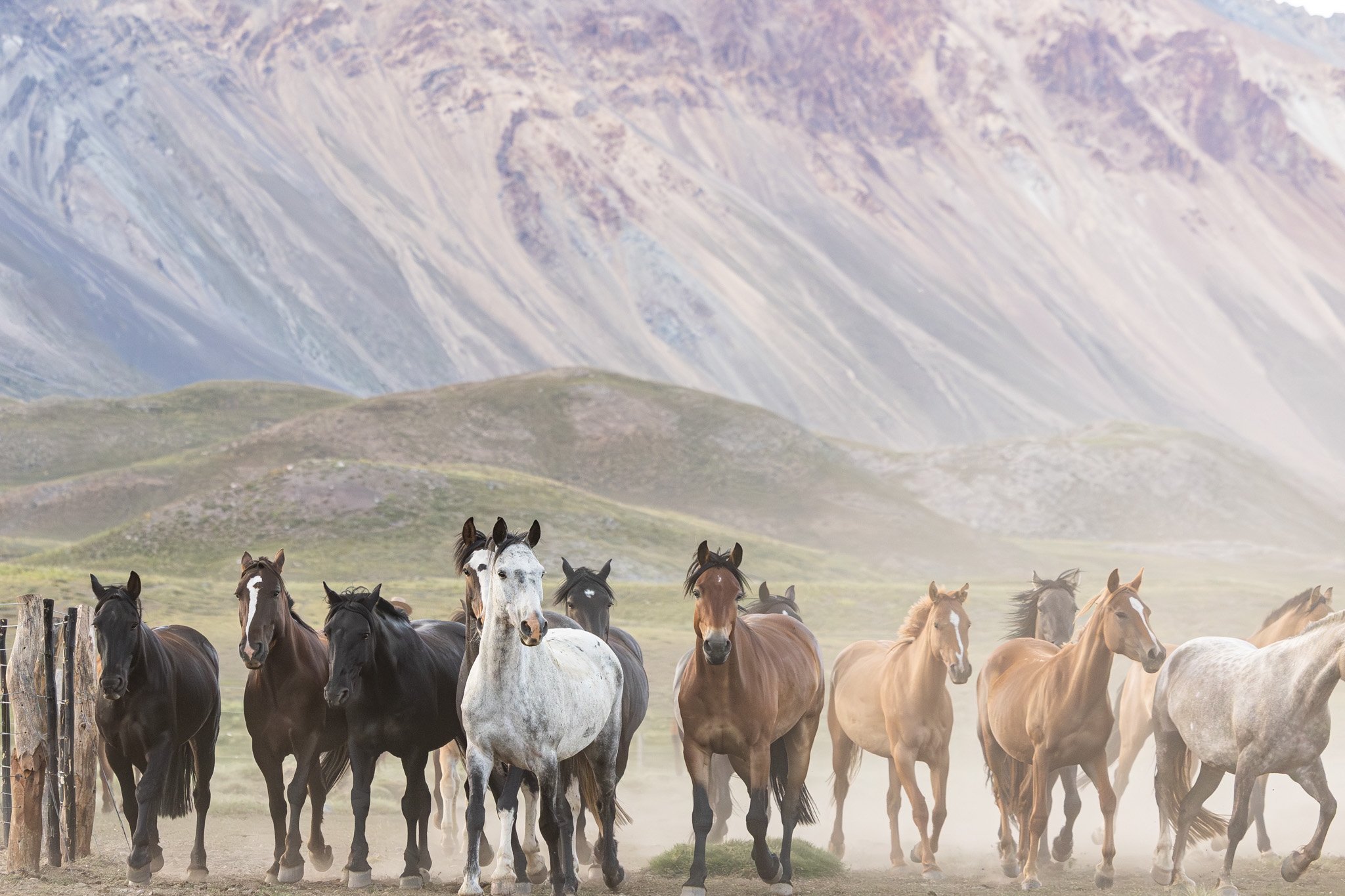
Horses and Tradition: Photographing Argentina’s Horse Culture
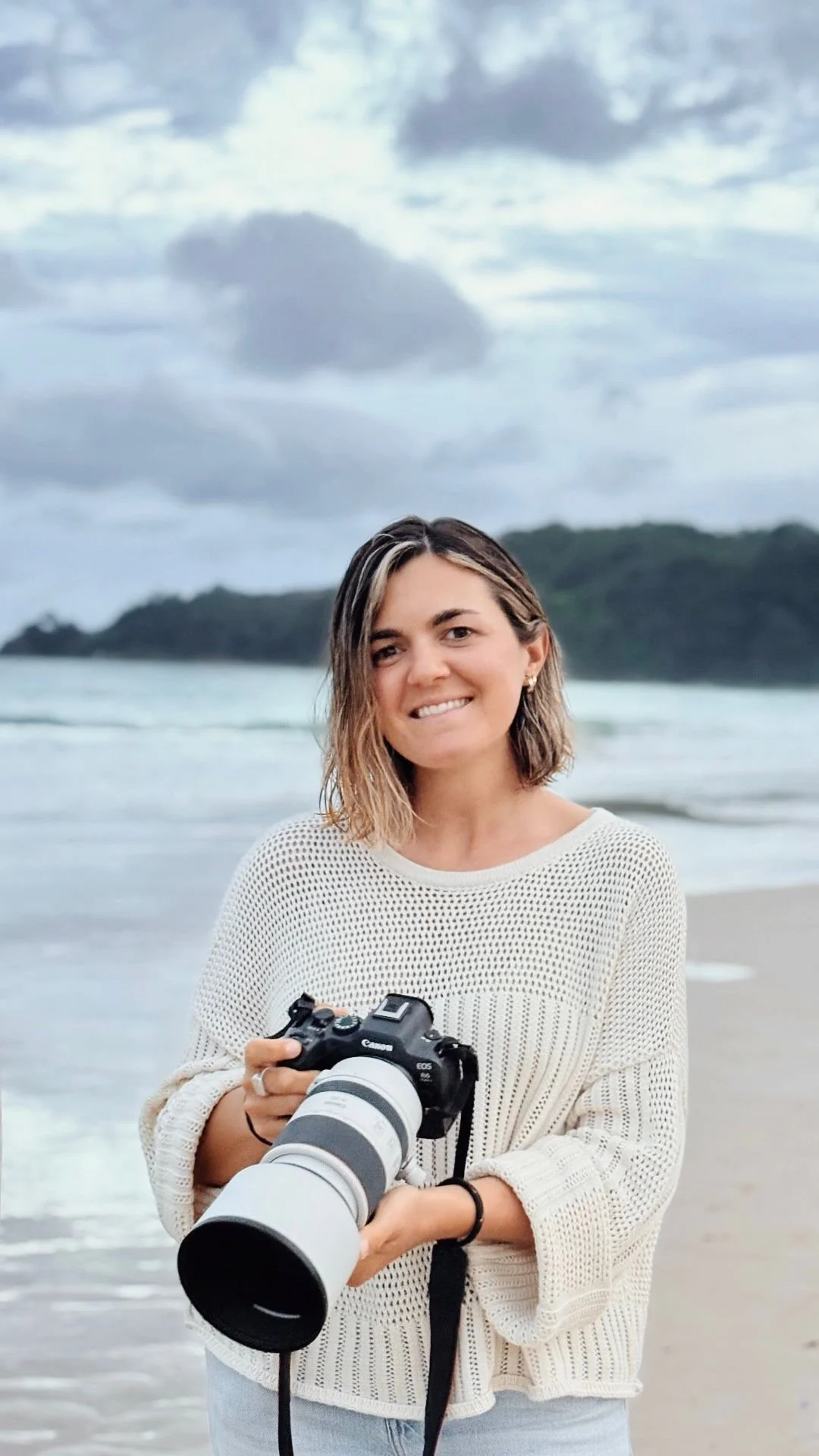
Words and photos by Maggie Garcia Rams
The sun hasn’t risen yet and the cold of the Andes settles deep into your bones.
Horses stand quietly, already saddled, while the gauchos finish their morning mate in silence. In the distance, the silhouettes of the mountains slowly appear against a sky turning from black to deep blue.
Someone tightens a cinch.
Another checks a saddle.
A horse exhales, sending a small cloud of steam into the cold air.
That’s usually the moment I lift my camera.
Most of the time, what I’m trying to photograph are those small moments just before something begins.
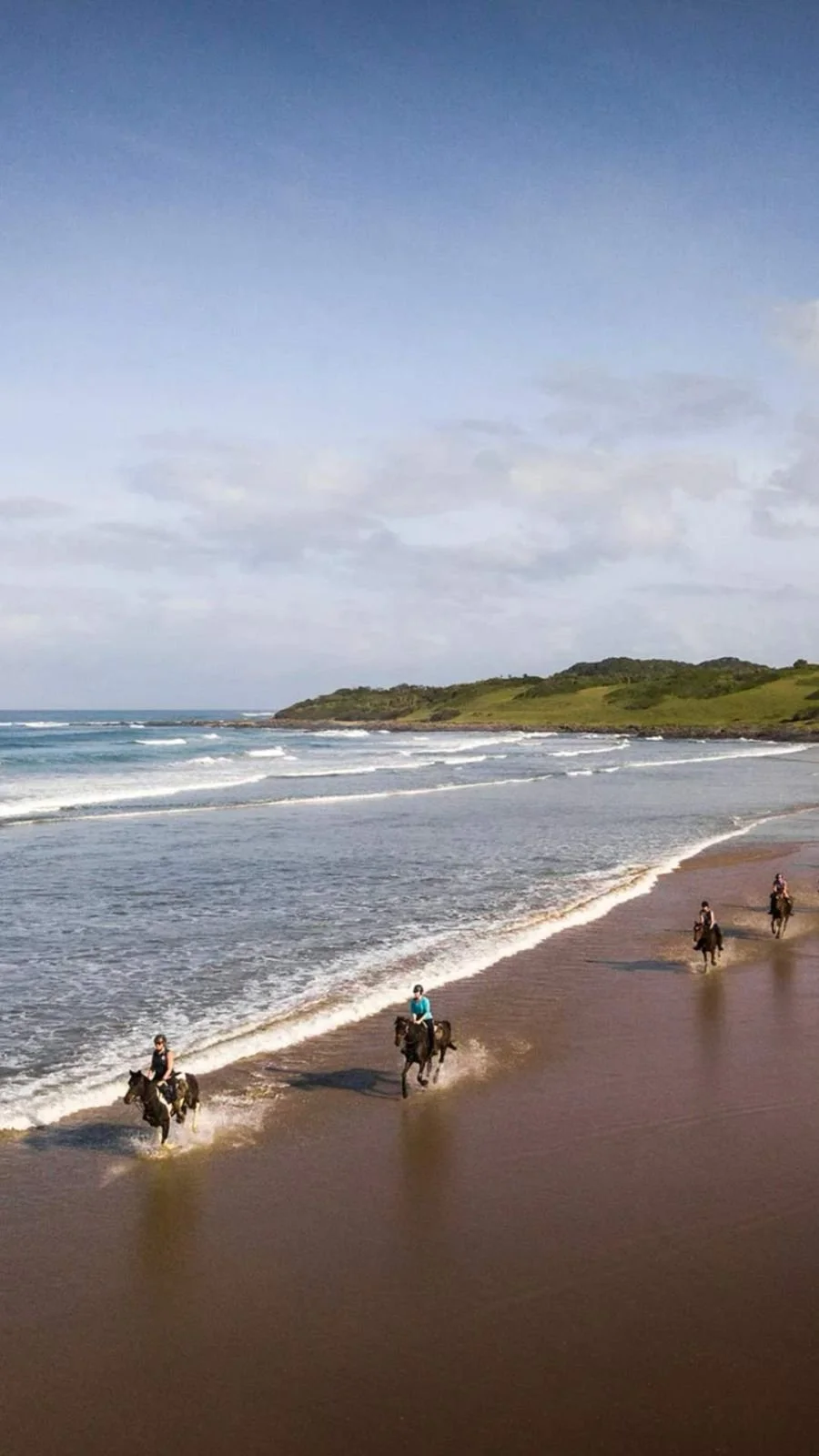
Endless mountains. Cold wind. Open valleys. The sound of horses galloping through the vast landscape.
After hours in the saddle, night eventually falls. A fire burns in the middle of the group. Above us stretches the most star-filled sky I have ever seen. The smell of leather and wood smoke fills the air.
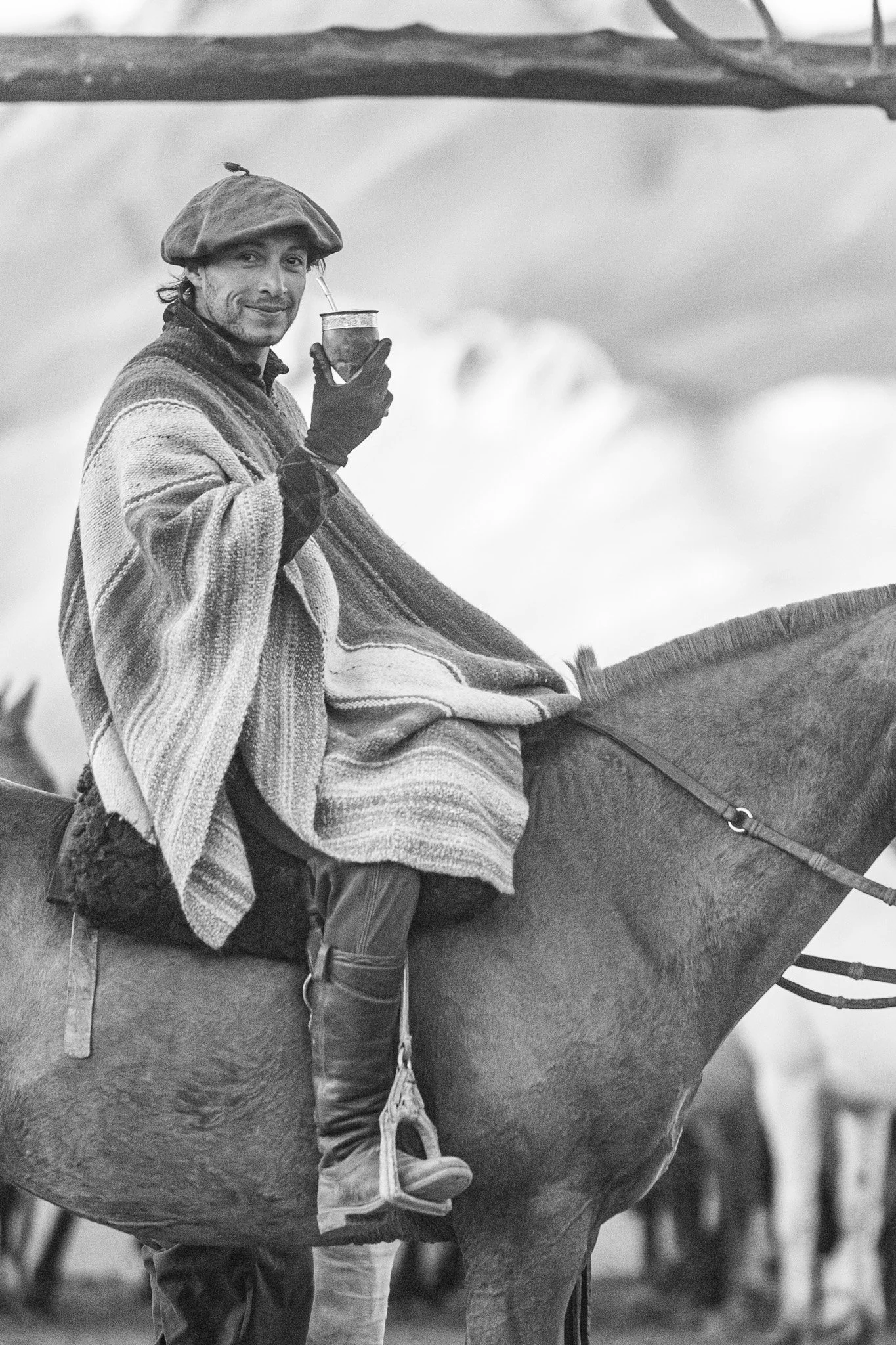
Someone starts playing traditional Argentine music, the rhythm of a chacarera carried by guitars and clapping hands. Mate cups are passed around the camp while the fire crackles in the cold mountain air. Cold hands hold the camera while the baqueanos wake before dawn to gather the horses again. Every now and then a voice breaks the silence of the mountains:
“¡Viva la patria!”
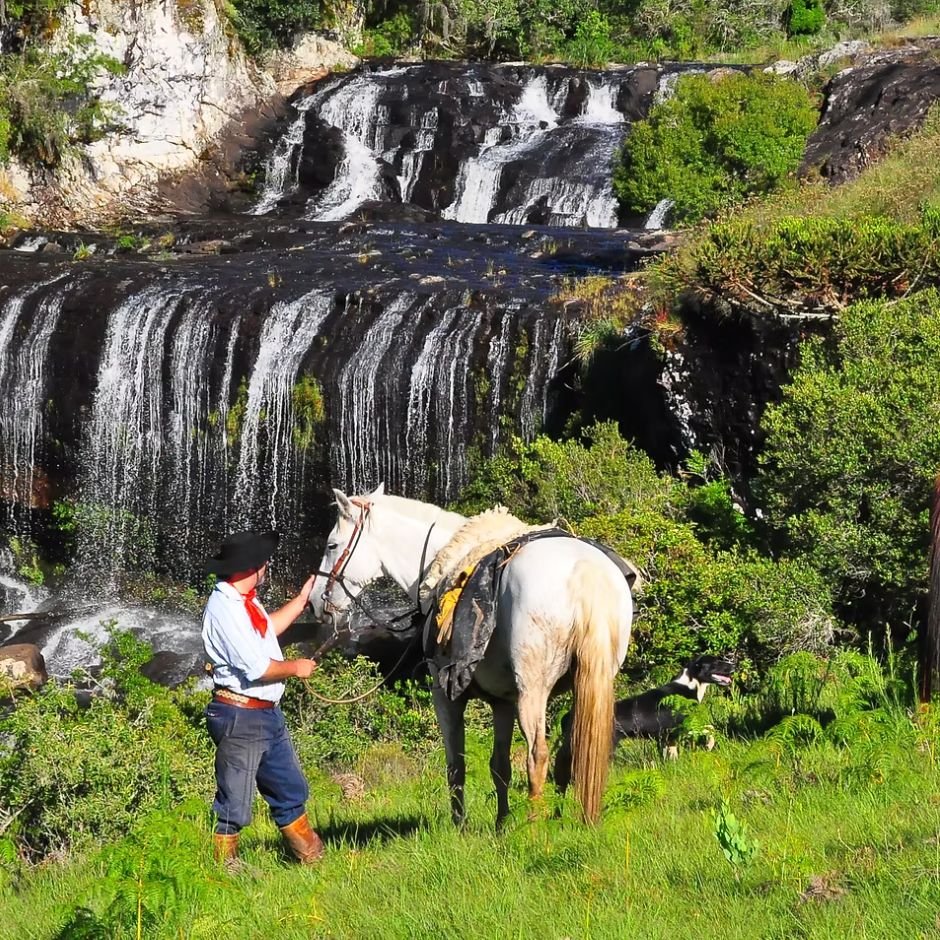
Argentina is a country deeply connected to horses. From the northern wetlands to the high passes of the Andes, horses are part of everyday life. They are not simply animals for sport or riding holidays; they are companions in work, travel and tradition.
My photography moves between two very different landscapes.
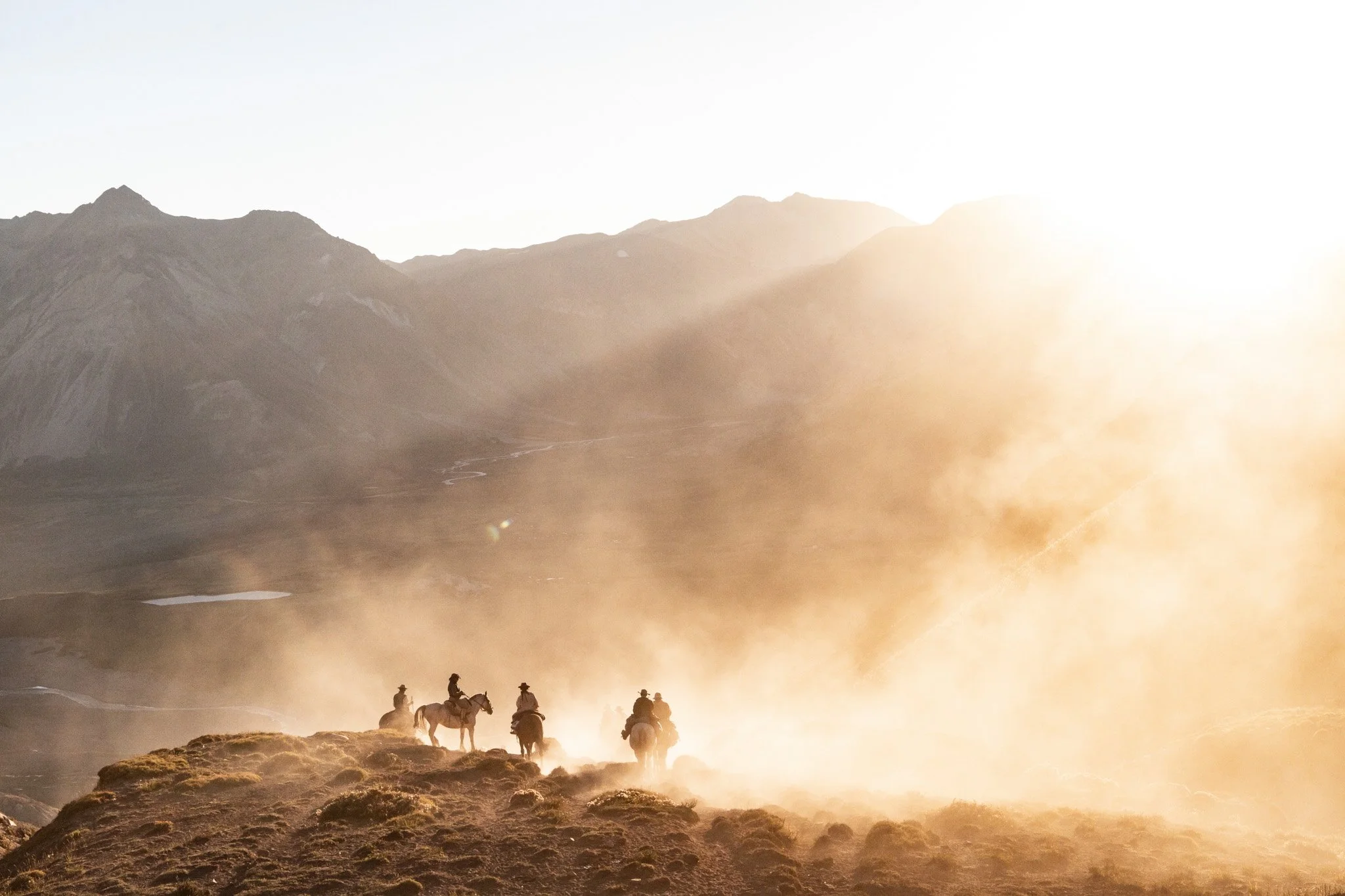
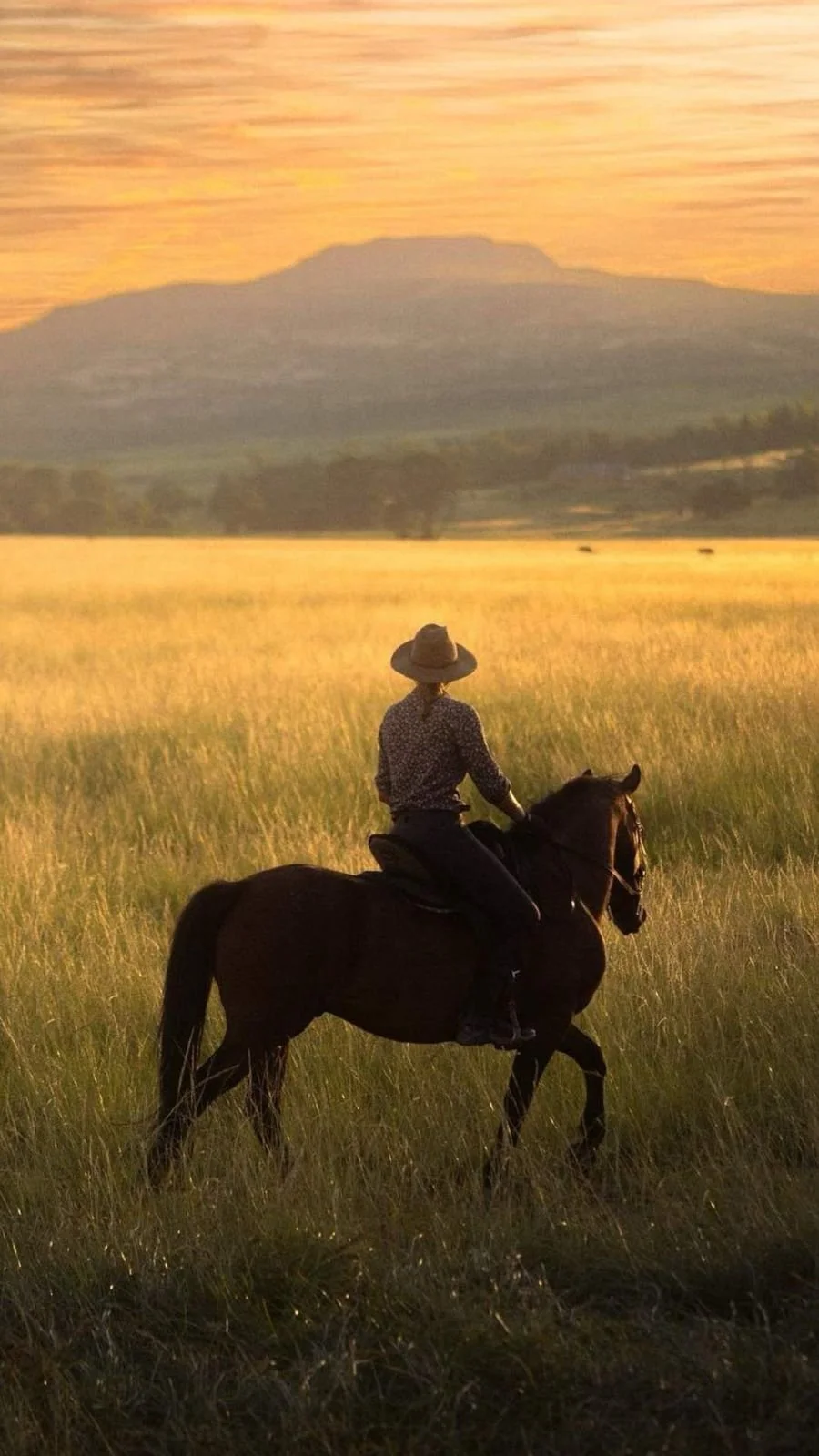
One is the Andes in Mendoza, where I spend much of the summer documenting horseback expeditions crossing the mountains between Argentina and Chile. Days are long in the saddle, riding through wide valleys, icy rivers and high mountain passes where the wind feels like it comes from another world.
Nights gather around a campfire beneath a sky full of stars, where stories and laughter mix with the quiet sound of horses resting near the camp.
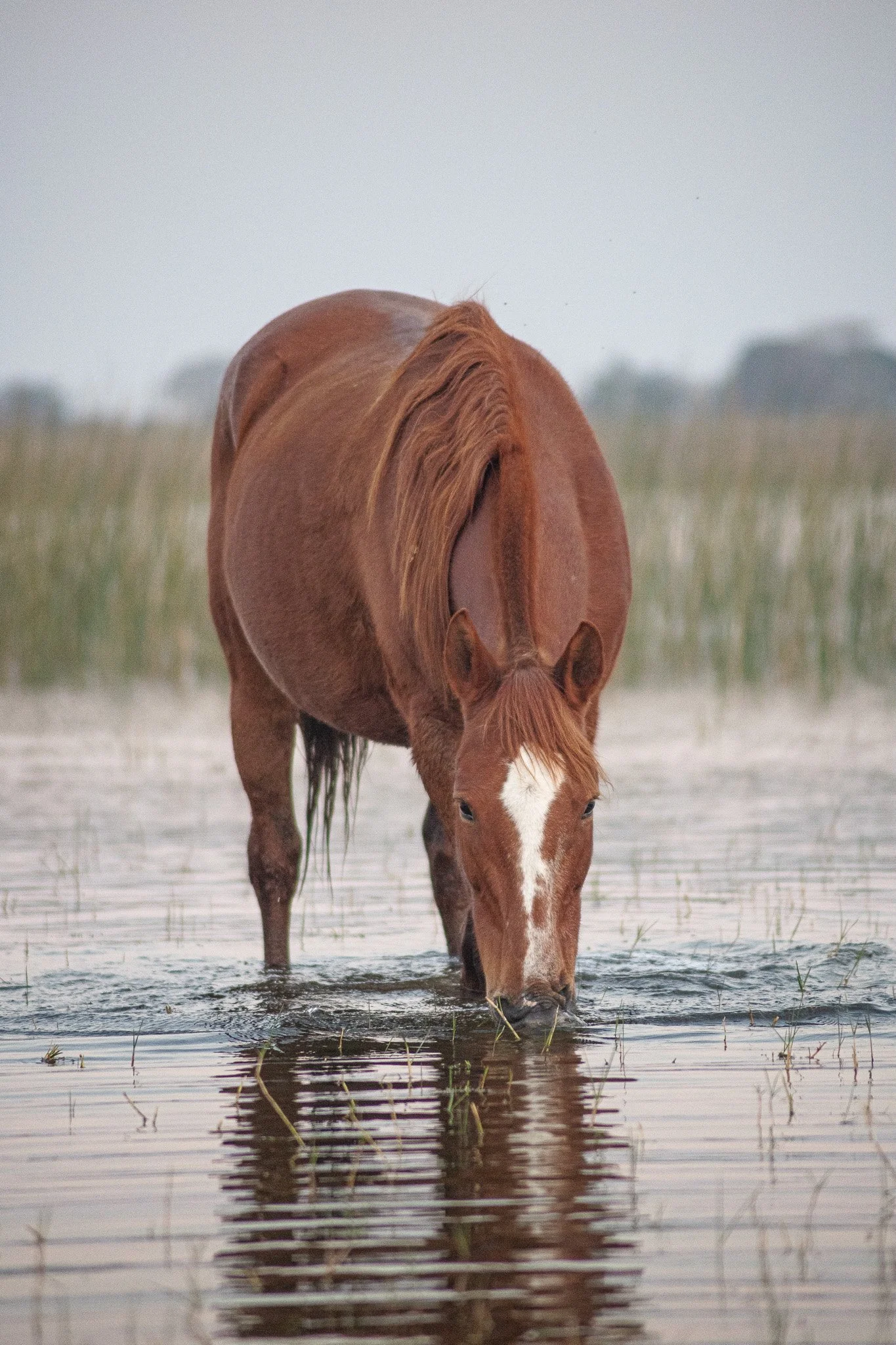
The other landscape lies almost at the opposite end of the country: the Esteros del Iberá in Corrientes, where my family’s land sits among vast wetlands and open grasslands.
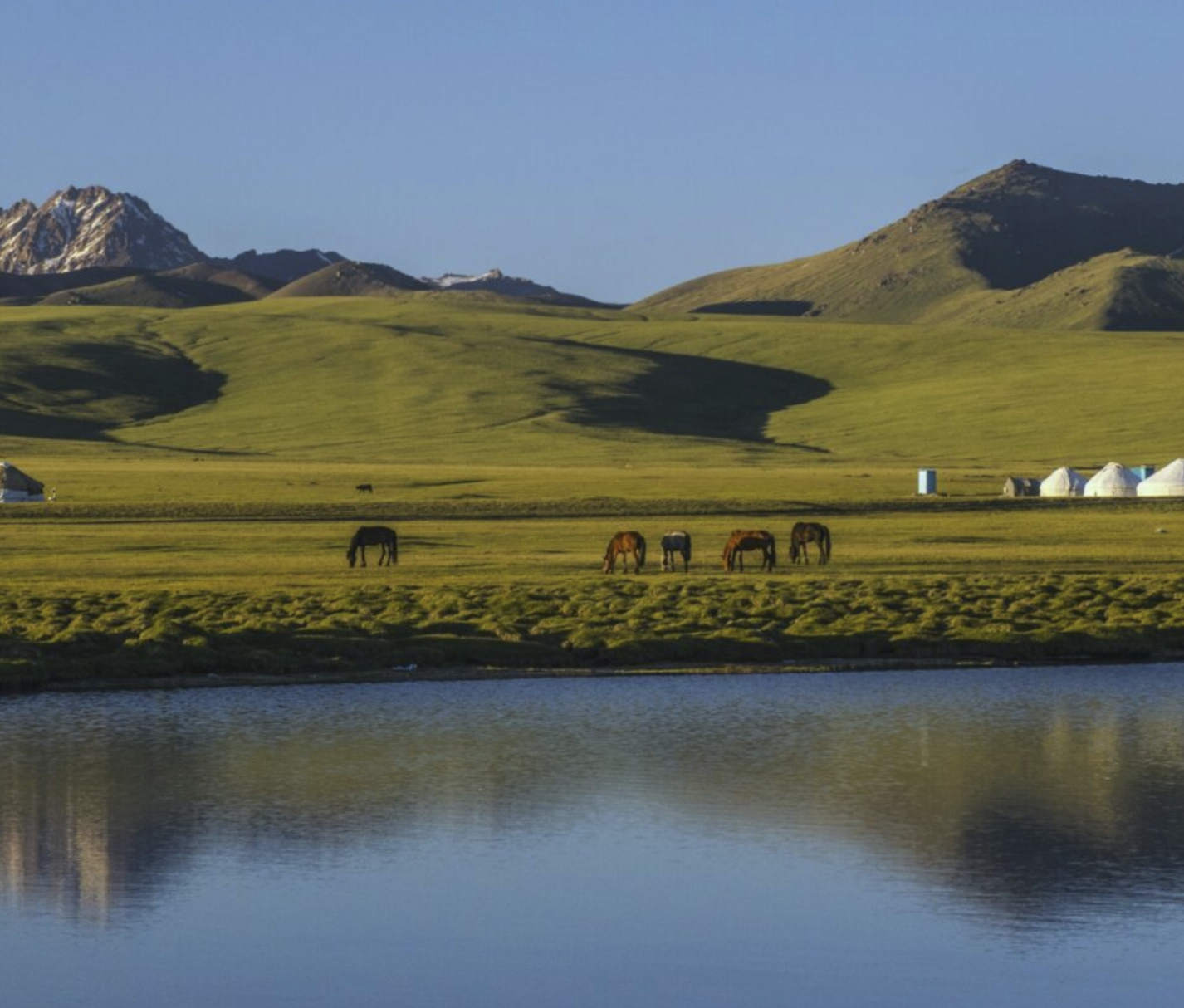
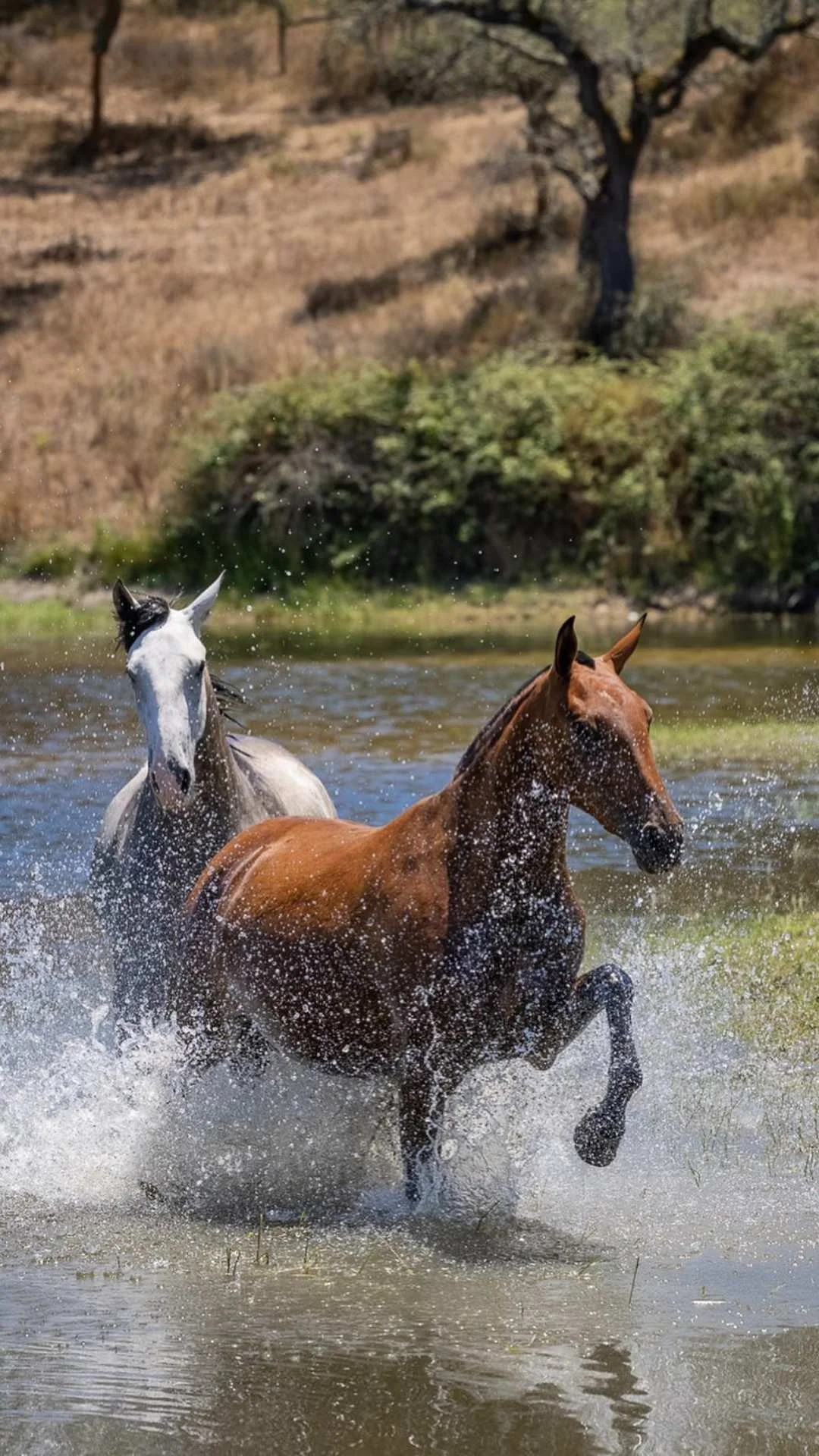
Life there moves differently. The air is warm and humid, the horizon stretches endlessly, and horses move easily through marshes and tall grass where the water reflects the sky. Days start early, often on horseback, and end when the sun slowly fades over the plains.
The Iberá wetlands are also home to extraordinary wildlife: howler monkeys calling from the trees, marsh deer moving through the grasslands, yacaré caimans resting along the water, and countless other species that thrive in this immense ecosystem.
Among these sounds and landscapes — the splash of hooves through water, cicadas singing on a summer afternoon, a chamamé playing somewhere in the distance — the horse culture of northern Argentina continues to live on.
Between these two worlds, I try to capture something that has always been at the heart of Argentine culture: the relationship between horses and people.
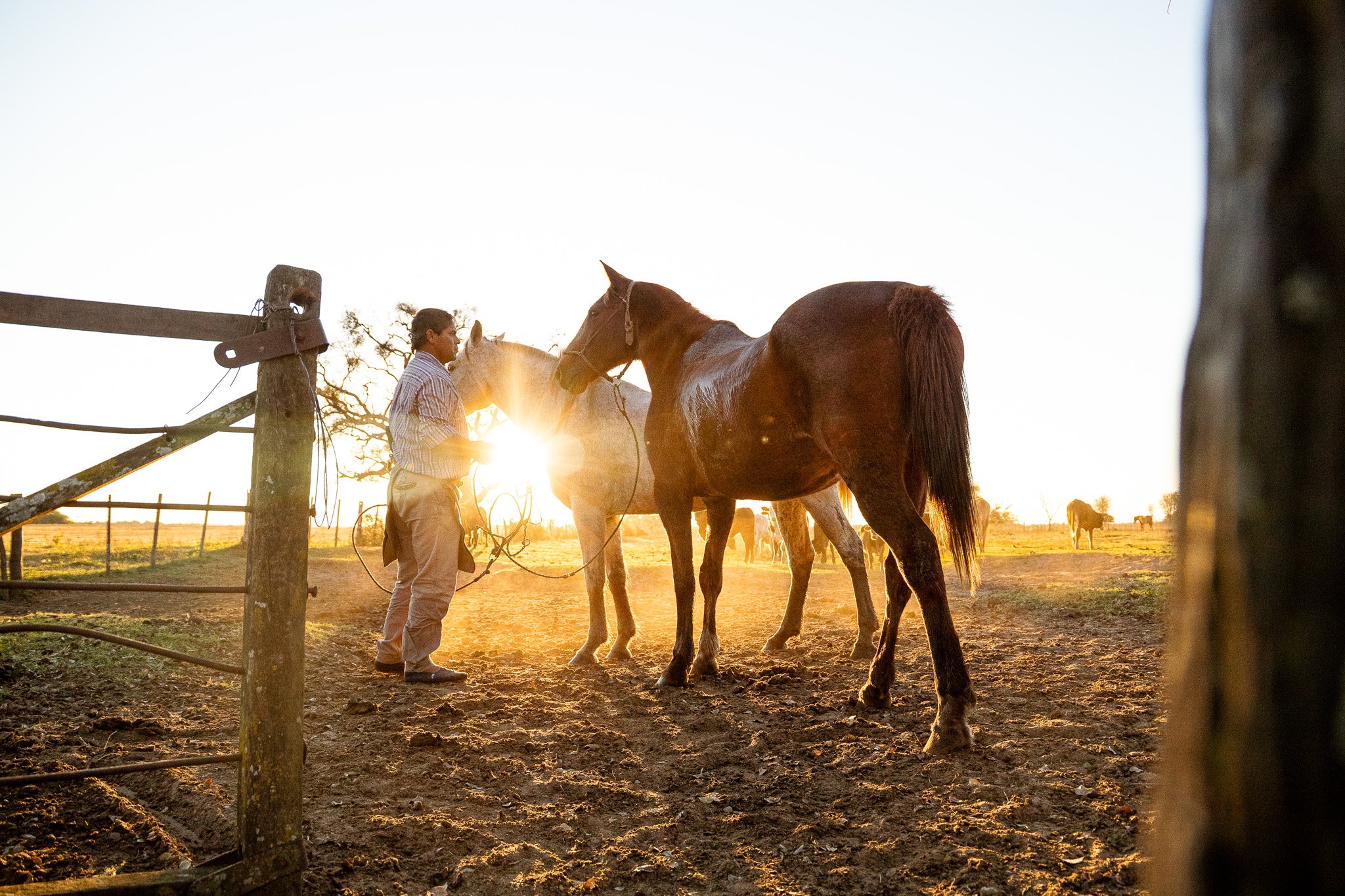
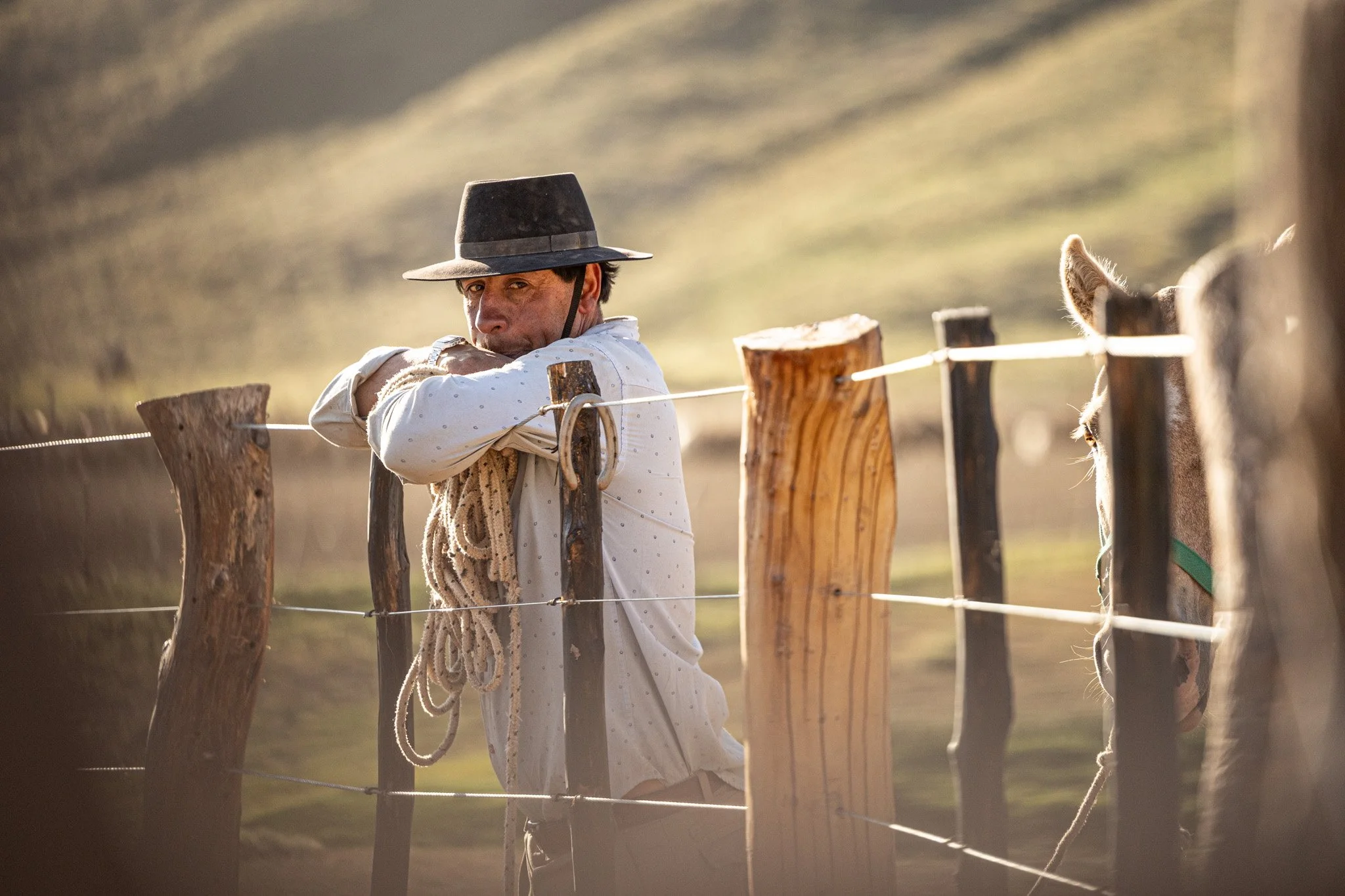
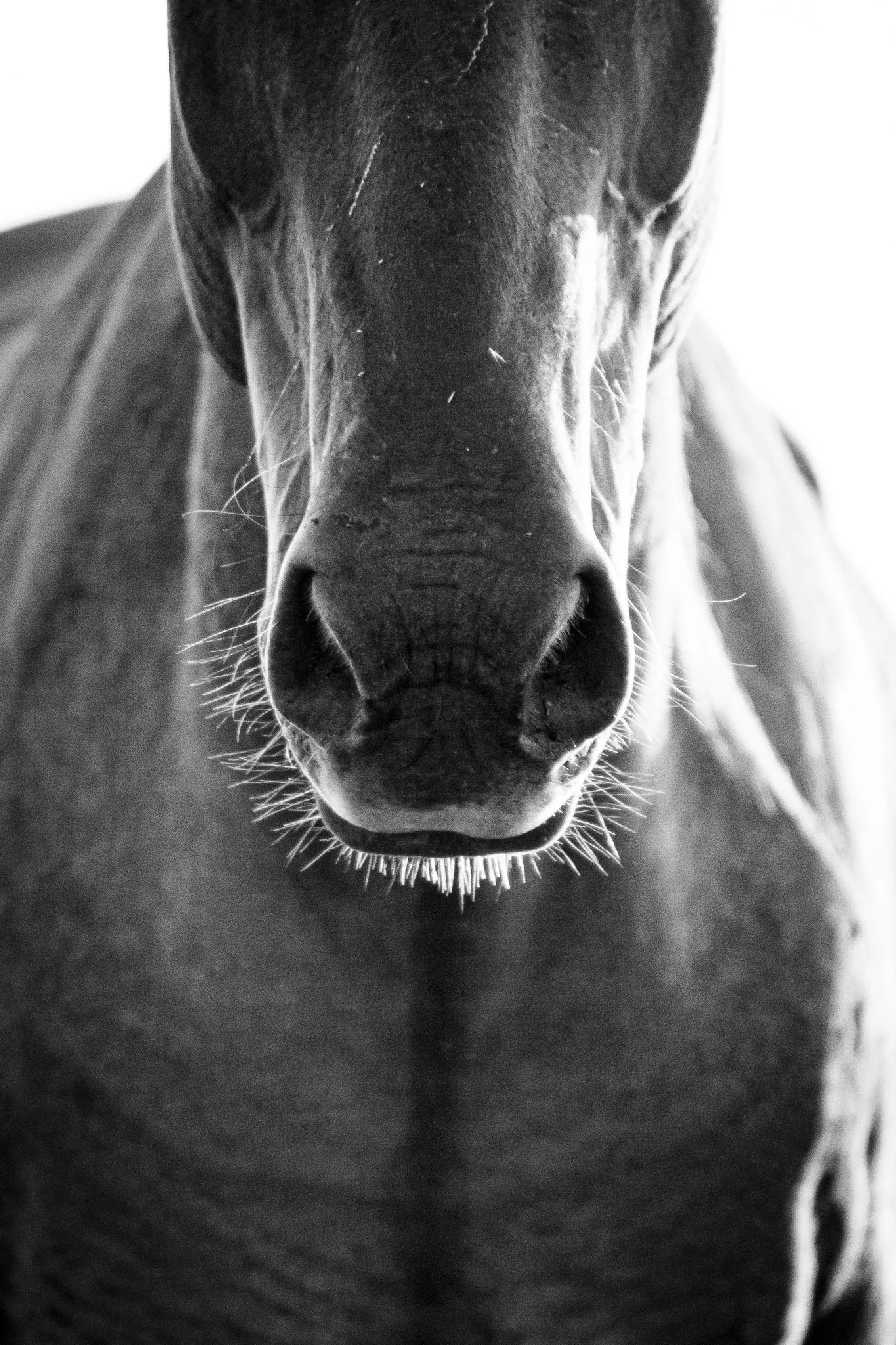
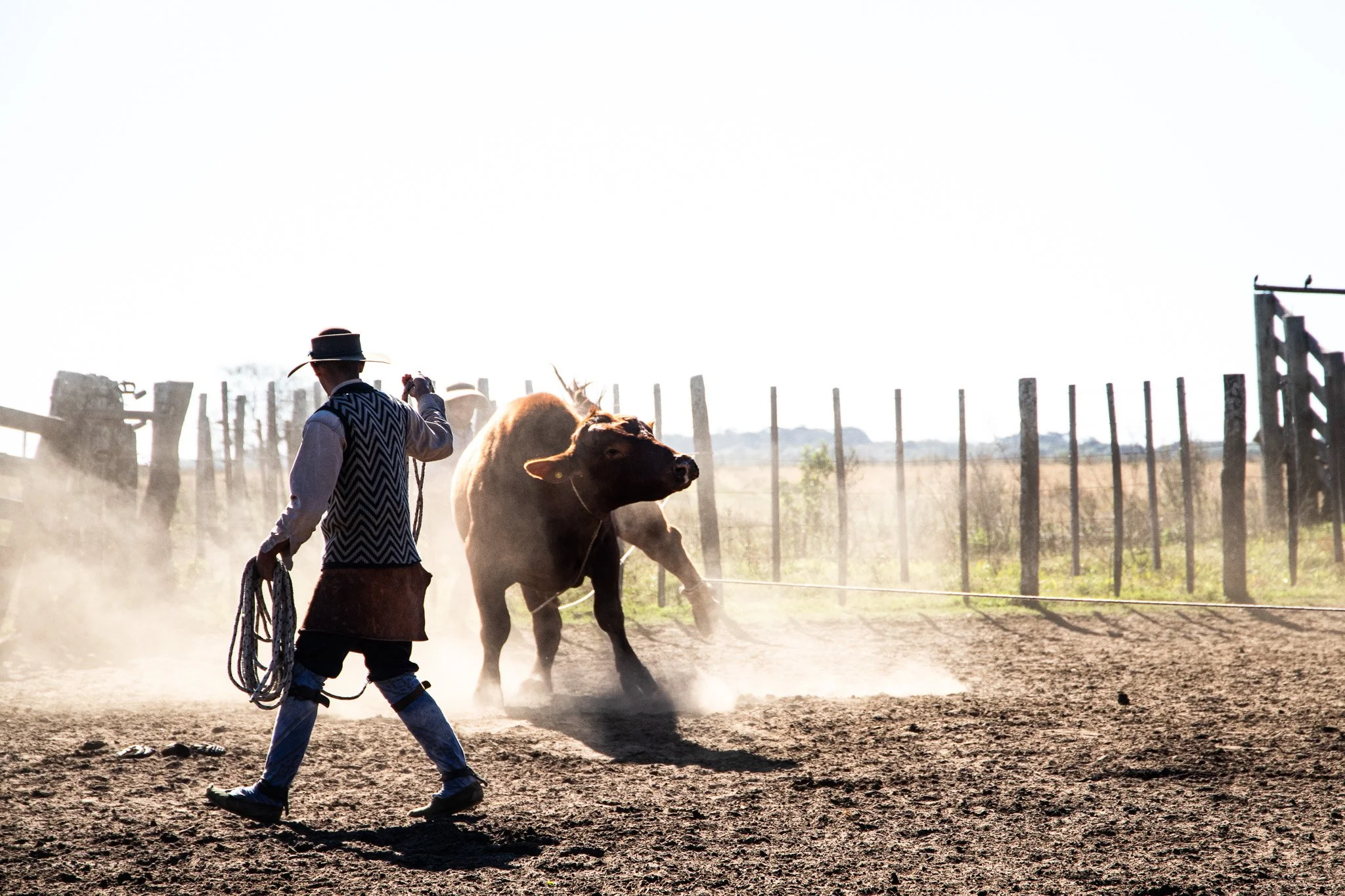
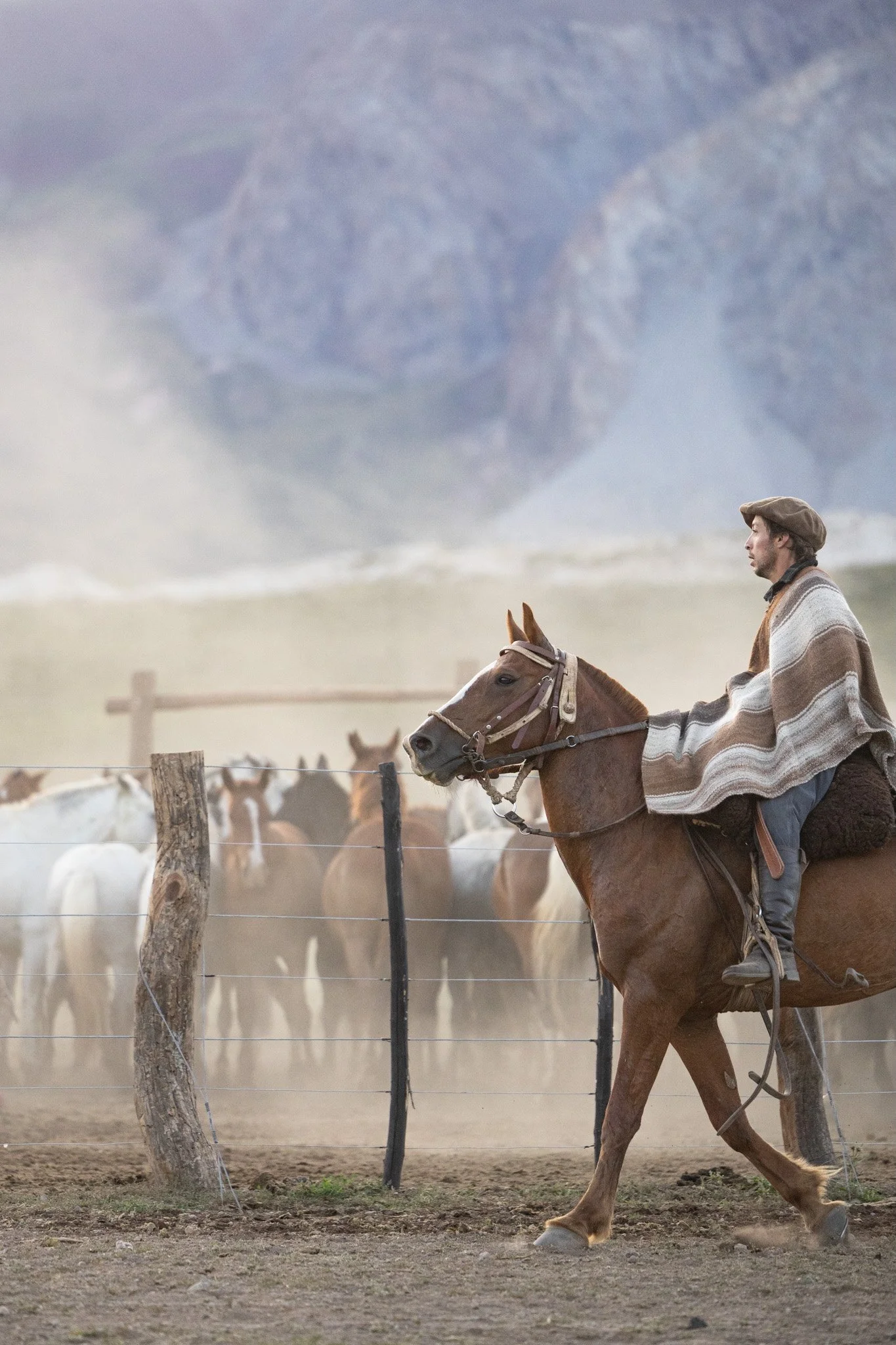
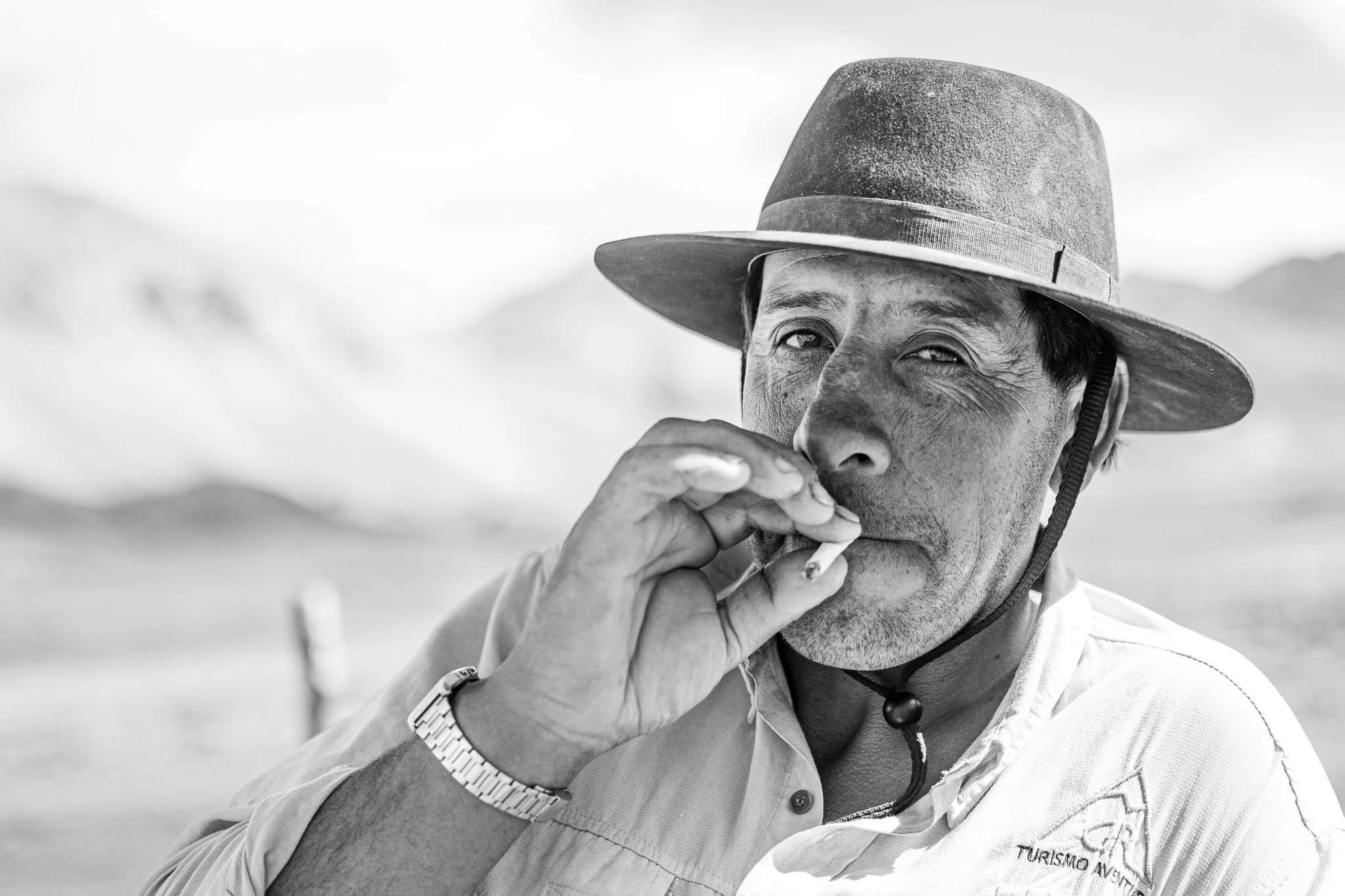
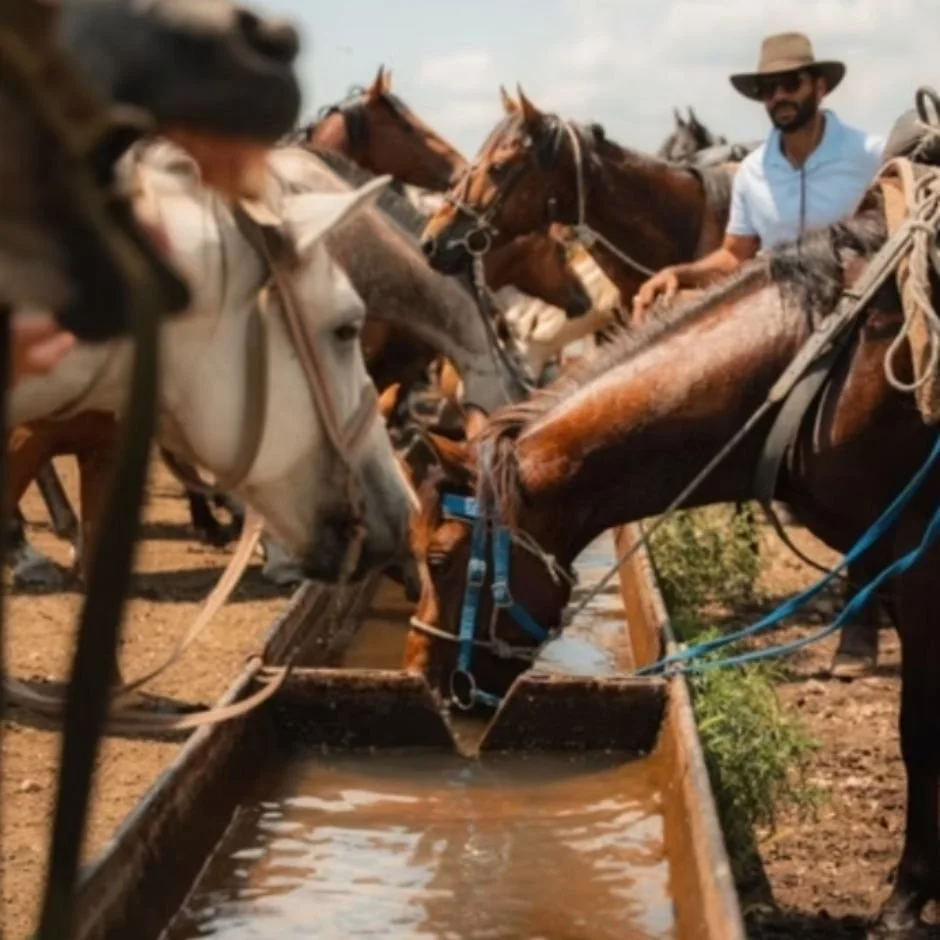
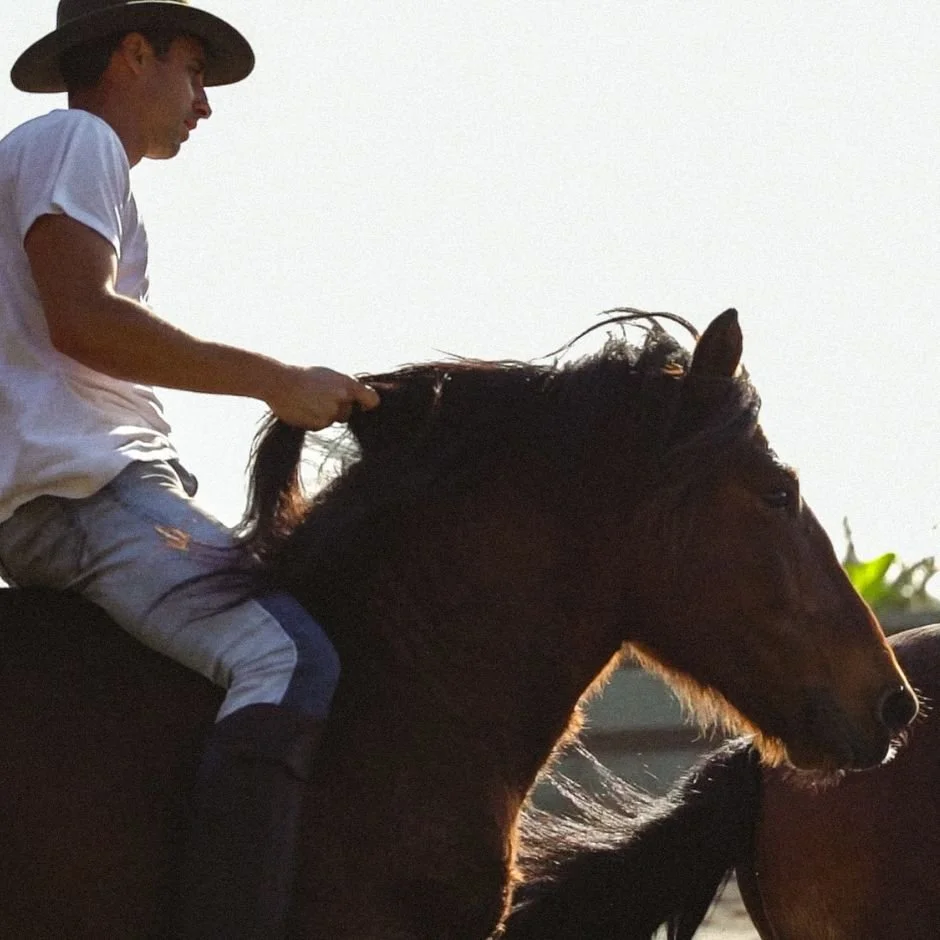
Gauchos rarely talk about it. It simply exists. You see it in the way they ride, in how they adjust a saddle, in the quiet trust between horse and rider after years of working together.
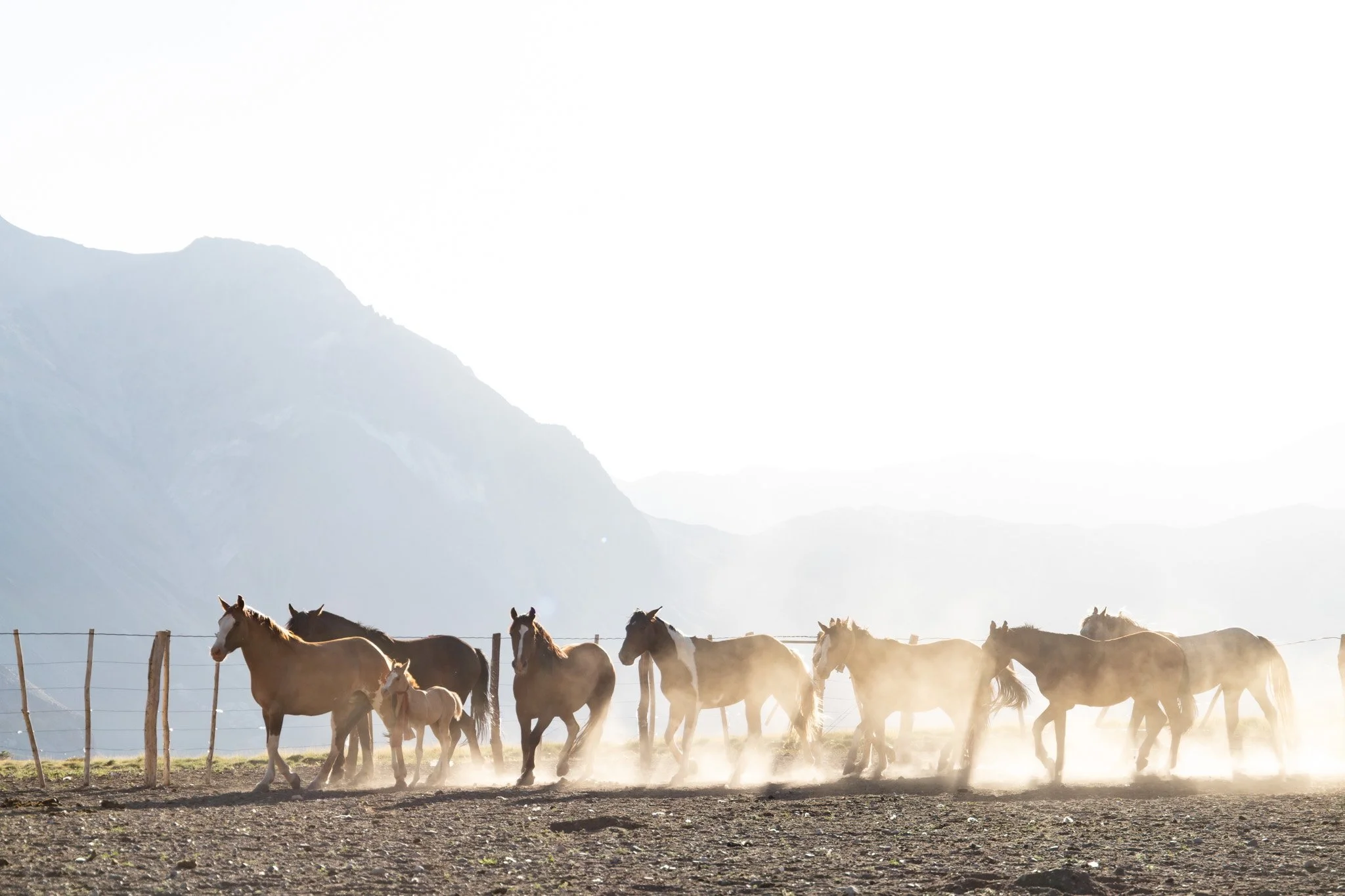
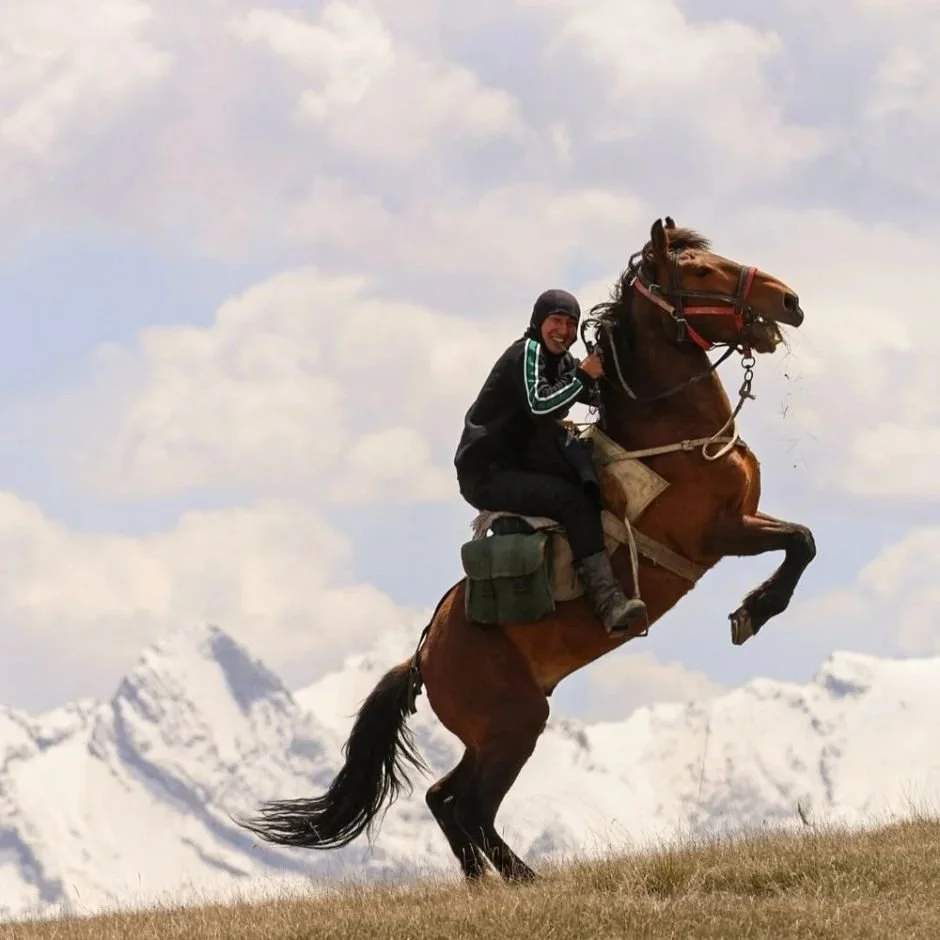
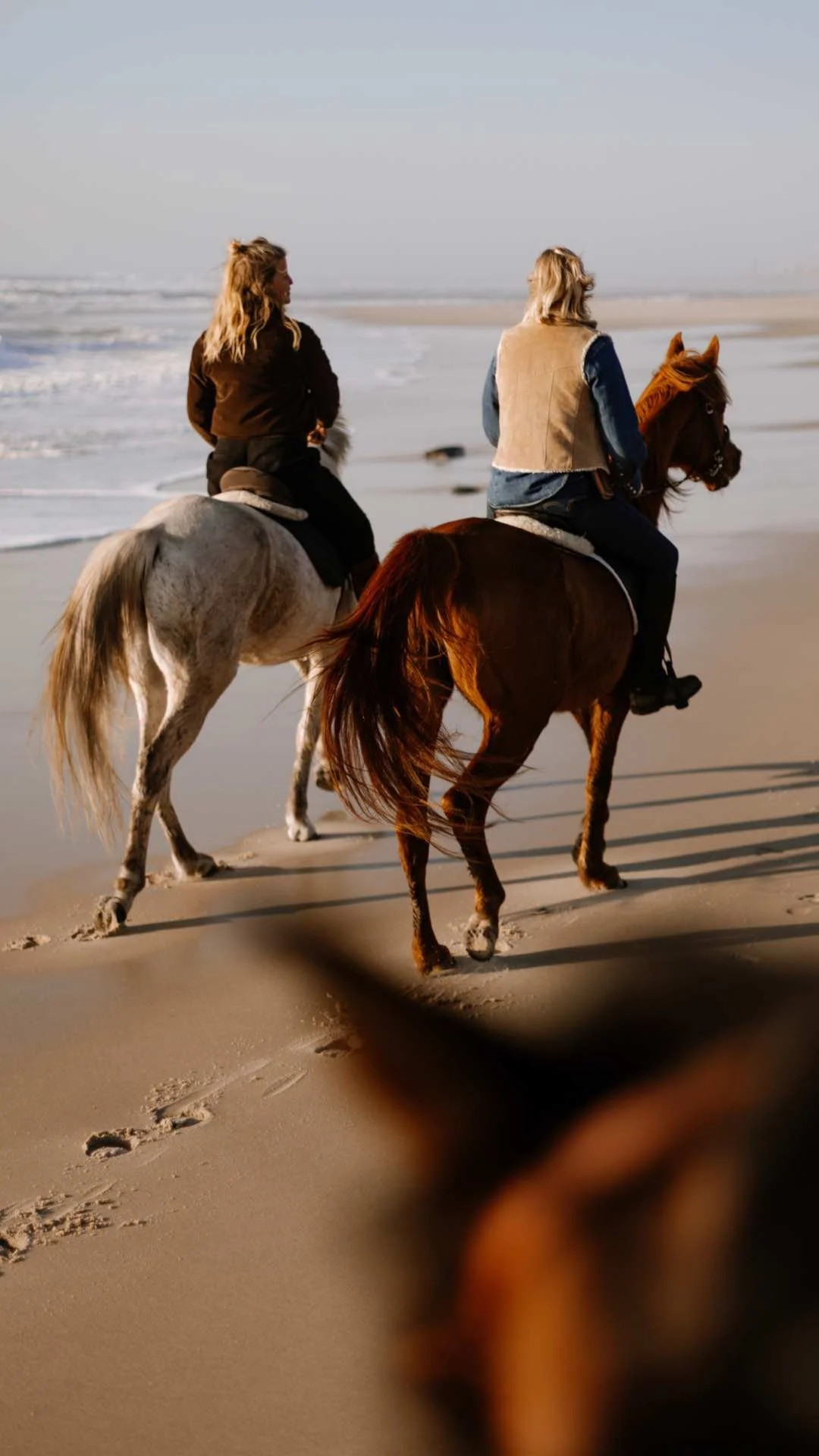
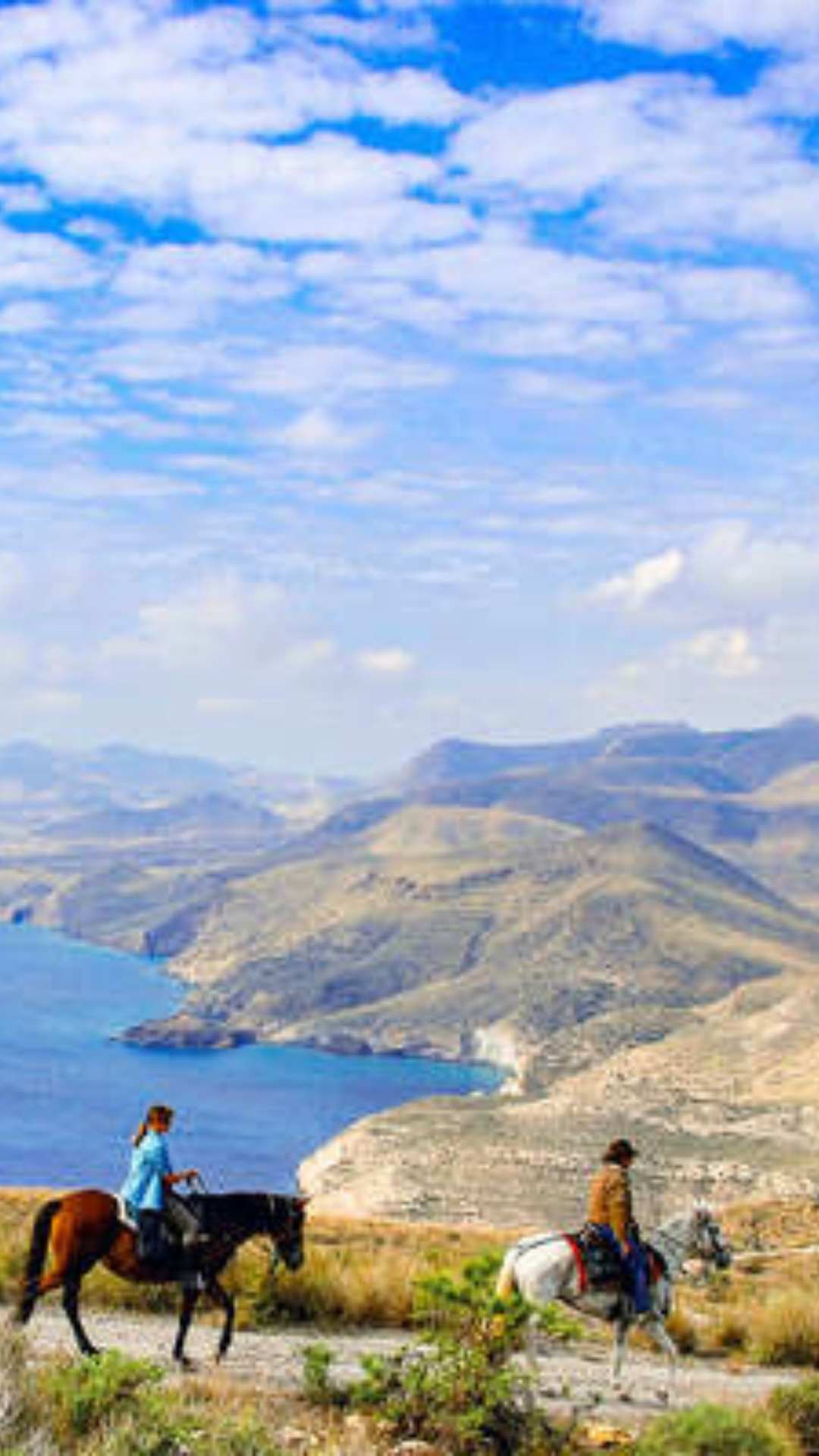
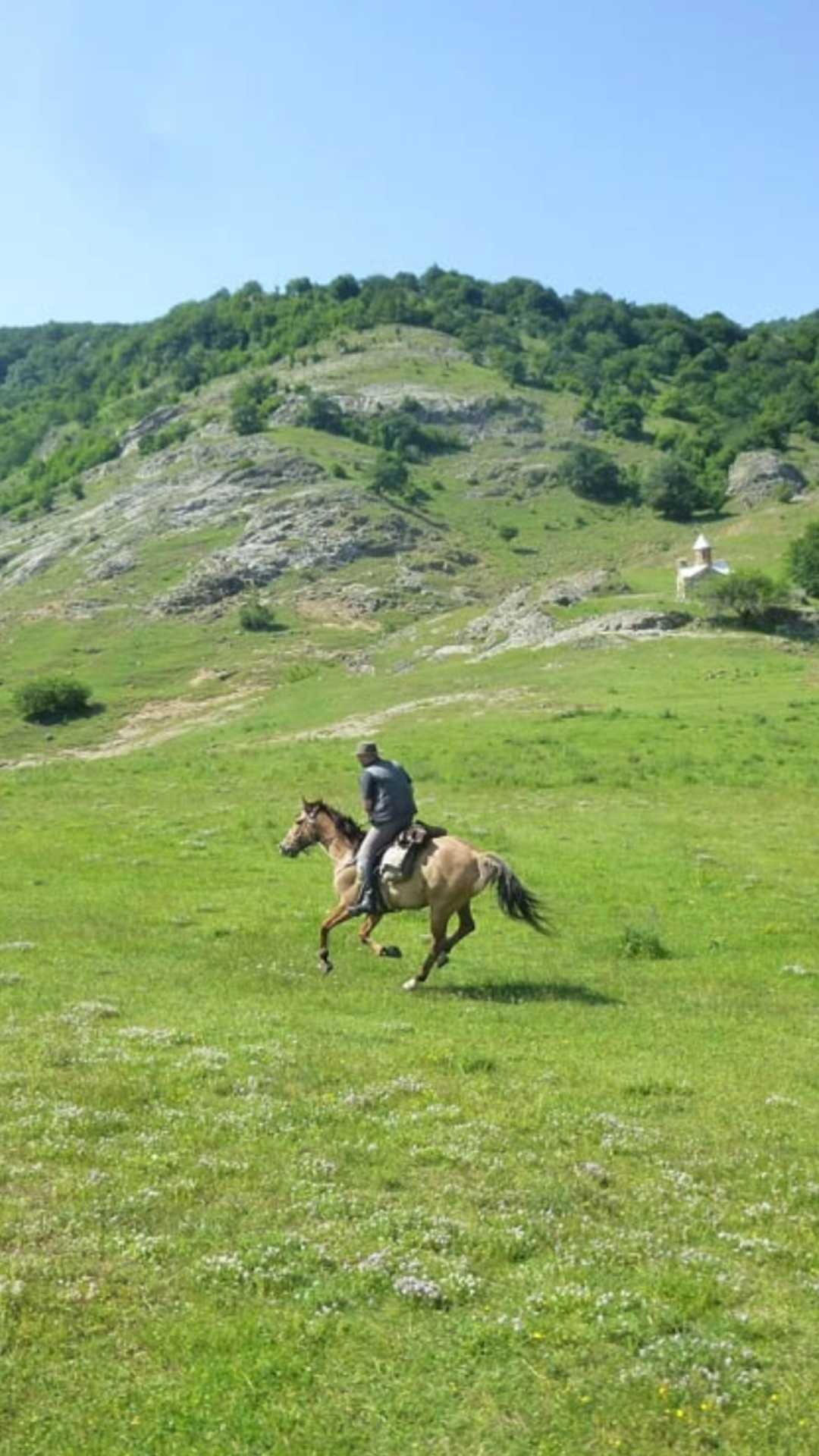
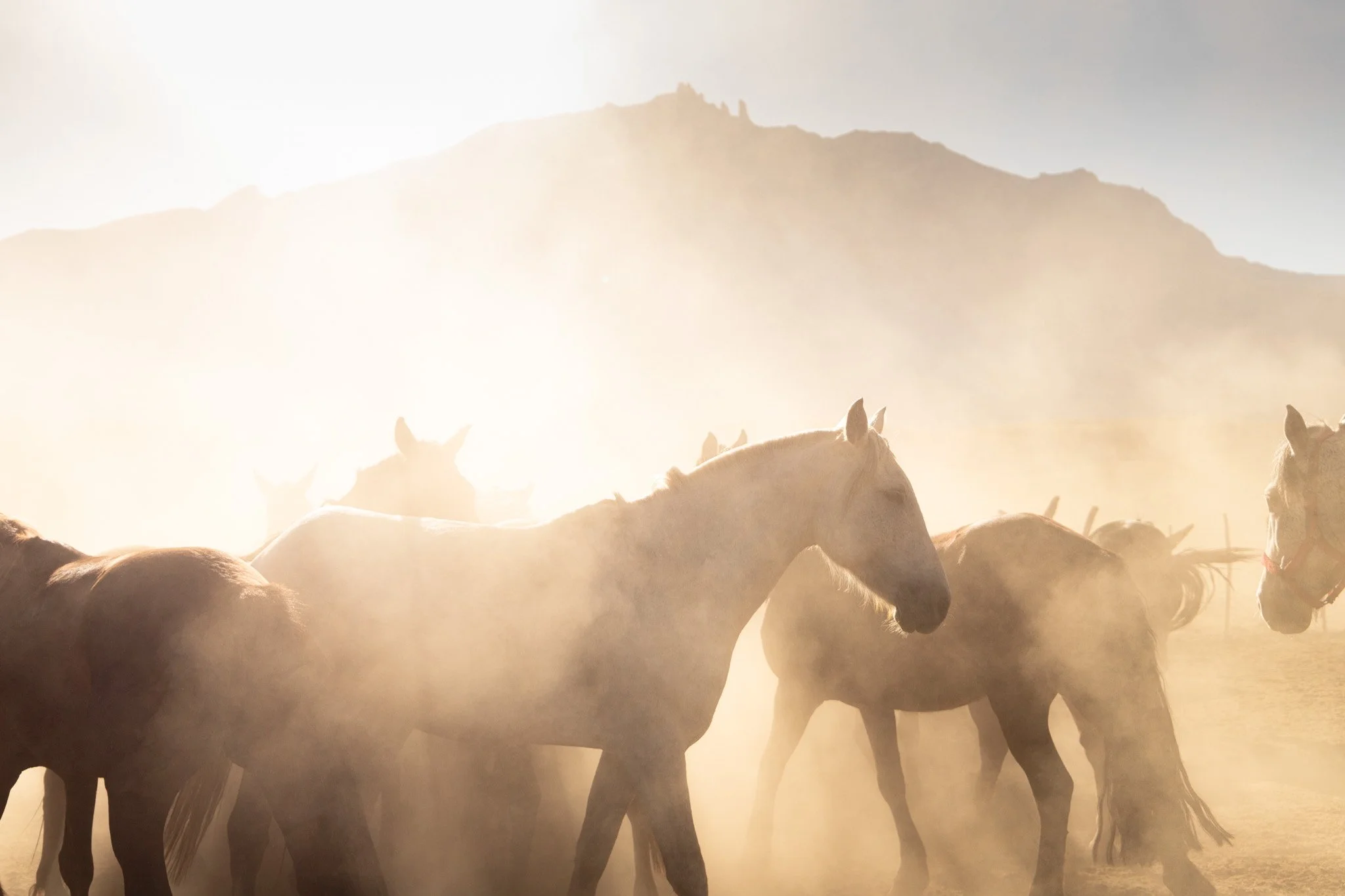
Sometimes that connection appears in vast landscapes, riders moving like small silhouettes across the Andes. Other times it reveals itself in small details — a glance, a smile after a long day, dust rising in the golden light of the afternoon.
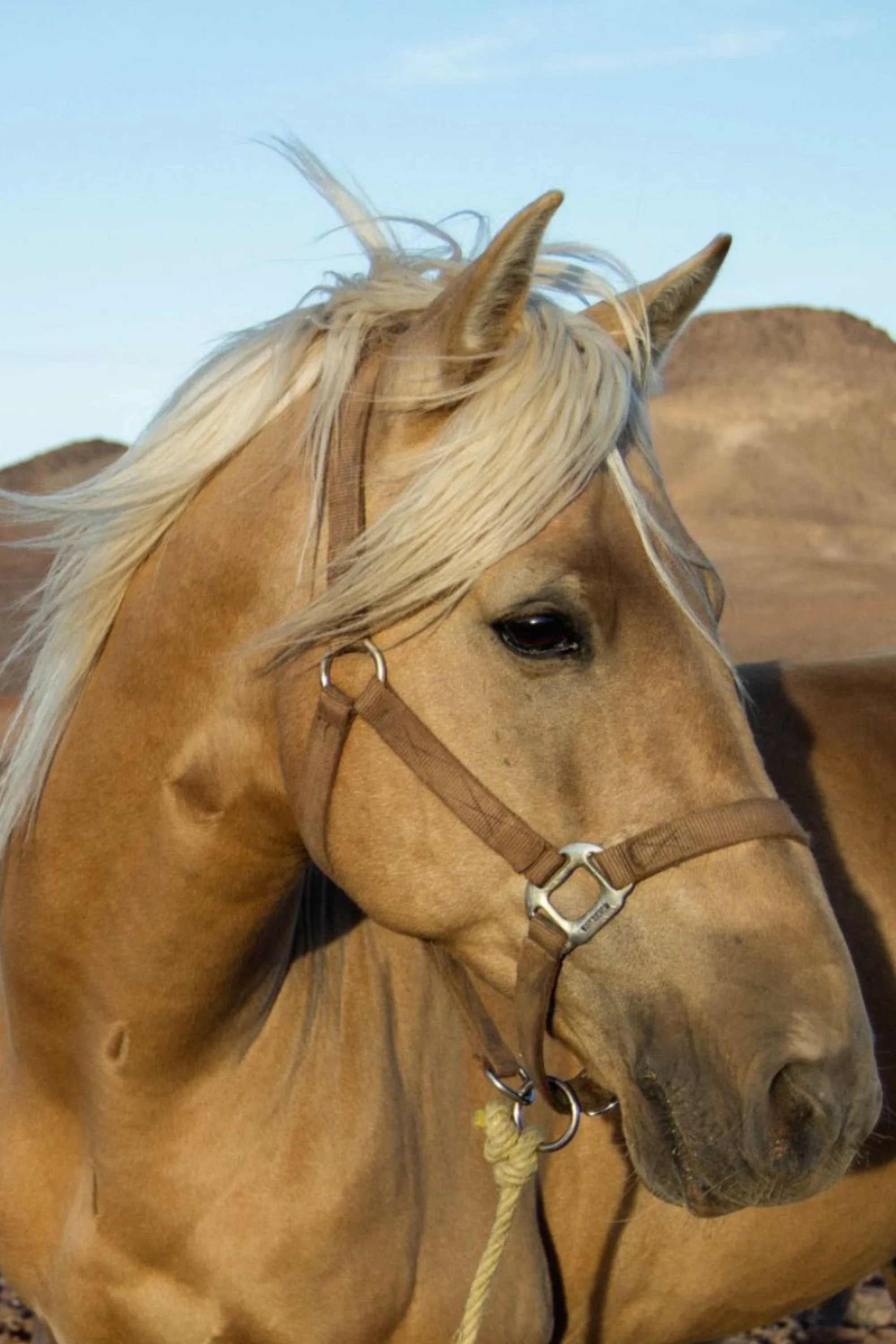
The Criollo horse, Argentina’s native breed, was shaped by centuries of survival in these landscapes. Strong, resilient and deeply reliable, it remains an essential part of rural Argentine life.
For me, photographing these moments is a way of preserving something that often goes unnoticed.
Dust in the air.
Laughter around a fire.
The immense silence of the mountains.
Because beyond the landscapes, what truly tells the story is the connection between people, horses and the land they share.
And sometimes, a single photograph is enough to capture it.