Barefoot in the Llanos: Inside Colombia’s Wildest Working Ranch
Riding barefoot through the wild heart of the Llanos to discover a ranch where the old ways aren’t history, they’re still a way of life.
Photos and words by Alex du Toit
We looked into the darkness, searching for any sign of our destination.
An eerie feeling set in; we had no real idea what we were riding through or towards, only the sound of hooves moving through mud and the whisper of long grass told us we were moving deeper into the wetlands. Then, a flicker of light caught the corner of my eye. Another followed, and then another. It wasn’t our destination, but the tall grass had come alive with fireflies, lifting softly around us. We fell silent.
This was the beginning of our time on Hato Santana.
At the heart of Colombia’s vast Orinoquía, Hato Santana is one of the country’s largest privately owned reserves, a place where cattle still graze freely across the flooded savannas, and life moves to the rhythm of hooves and rain. For over a century, the same family has worked this land, balancing tradition, culture, and conservation.
We sat down with Simona Reyes, one of the family’s current custodians, to talk about her childhood on the ranch, the enduring spirit of the llaneros, and what it means to preserve a way of life so deeply rooted in the landscape.
Bad Pony: Take us back to the beginning. How did your family first find themselves out here, working the land and building a legacy on Hato Santana?
Simona Reyes: Santana has been in our family for more than a hundred years. The first connection with the plains came through my great-grandfather, who descended from the highlands of Boyacá toward Casanare and settled near the foothills. At that time, a relative of his was already in Santana, and that’s how he came to know those lands. Years later, my grandfather bought the ranch from him.
After my grandmother’s death, my father inherited Santana and continued to manage it. Today it belongs to us, and surely it will belong to our children and grandchildren. Our family’s history has been deeply tied to this place. It holds the life and love of all of us.
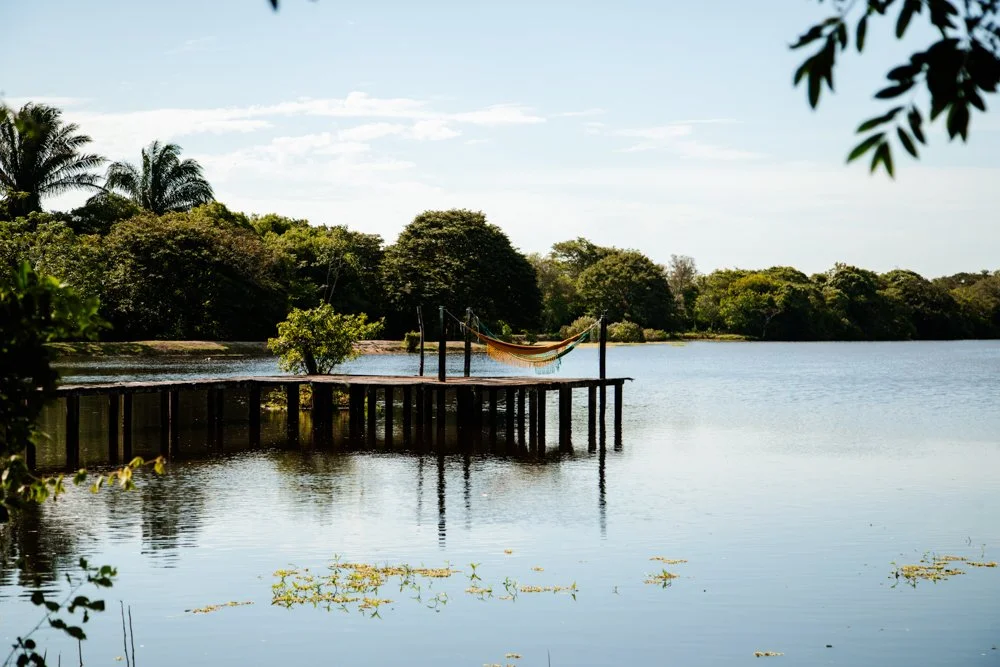
We wake the next morning to the screeching chorus of wildlife around us, turkey buzzards circling above the outdoor shower, and a family of capybaras scattering as we open our door to a view over the lagoon. A quick splash catches my eye, a caiman sliding into the water. “Not dangerous,” I’m told. My African brain, however, refuses to process the idea of a small crocodile as a harmless water buddy.
From the shower, Roxanne’s sudden screech breaks the morning calm as a tiny frog launches itself from her towel to join her. Having arrived in the dark the night before, we’re only now seeing the full expanse of the farmhouse, spacious rooms opening onto a garden of towering palms and thick bamboo where a family of red howler monkeys hide. Hammocks hang between trees, and the air is heavy with the smell of freshly brewed coffee.
BP: People talk about Hato Santana like it’s a legend — wild, vast, untouched. How did it become Colombia’s biggest private reserve?
SR: Cattle ranching in the flooded savannas of the Orinoquía has a unique history. It has been practiced here since the Jesuits arrived in Casanare around the mid-1600s, adapting their way of life to the natural grasslands. They worked with the land rather than against it, grazing cattle on native pastures without changing the landscape, which allowed animals and livestock to live together in balance with the ecosystem. This is what we call extensive ranching, a way of life shaped by the land and its seasons. From that came the hatos, the great stretches of open savanna where cattle roam freely.
It’s the love for ranching, and the bond our family has had with this land for generations, that has kept Santana alive. Today it’s recognised as a Civil Society Reserve, a form of private protection in Colombia that honours places where nature and tradition have learned to live together. There are very few ranches like Santana left. They hold both a cultural and an environmental story, places where cattle, wildlife, and the savanna still share the same space in balance.
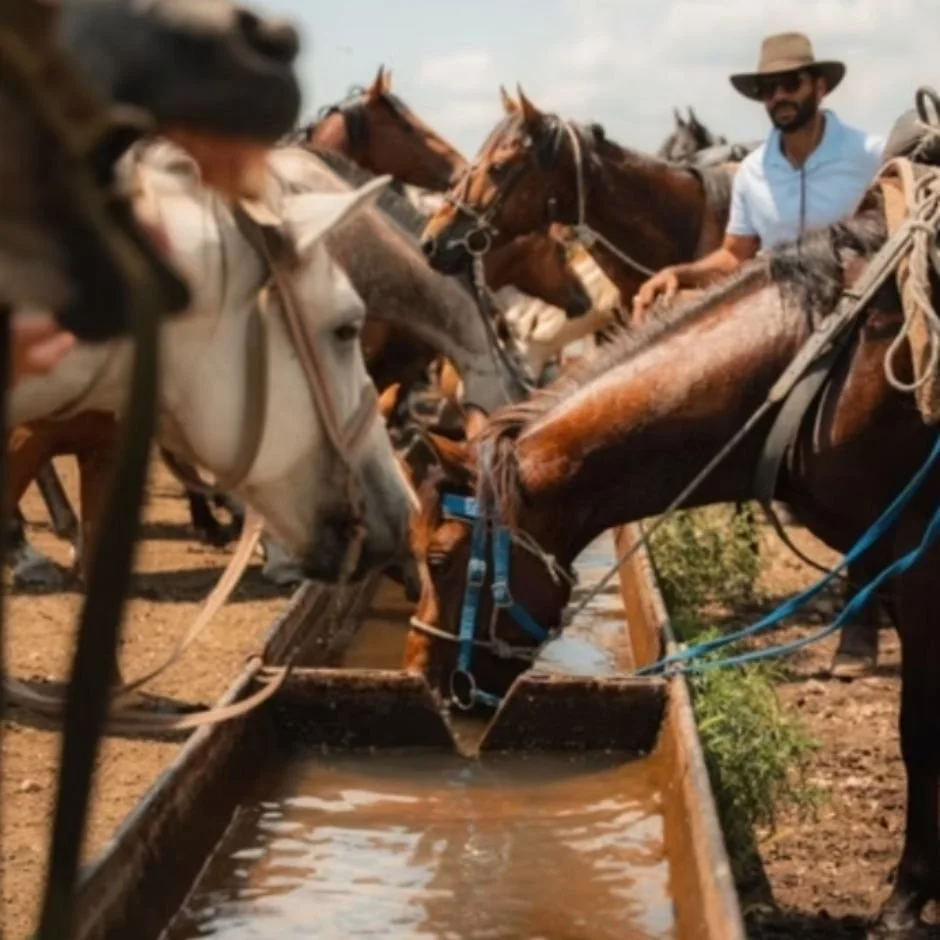
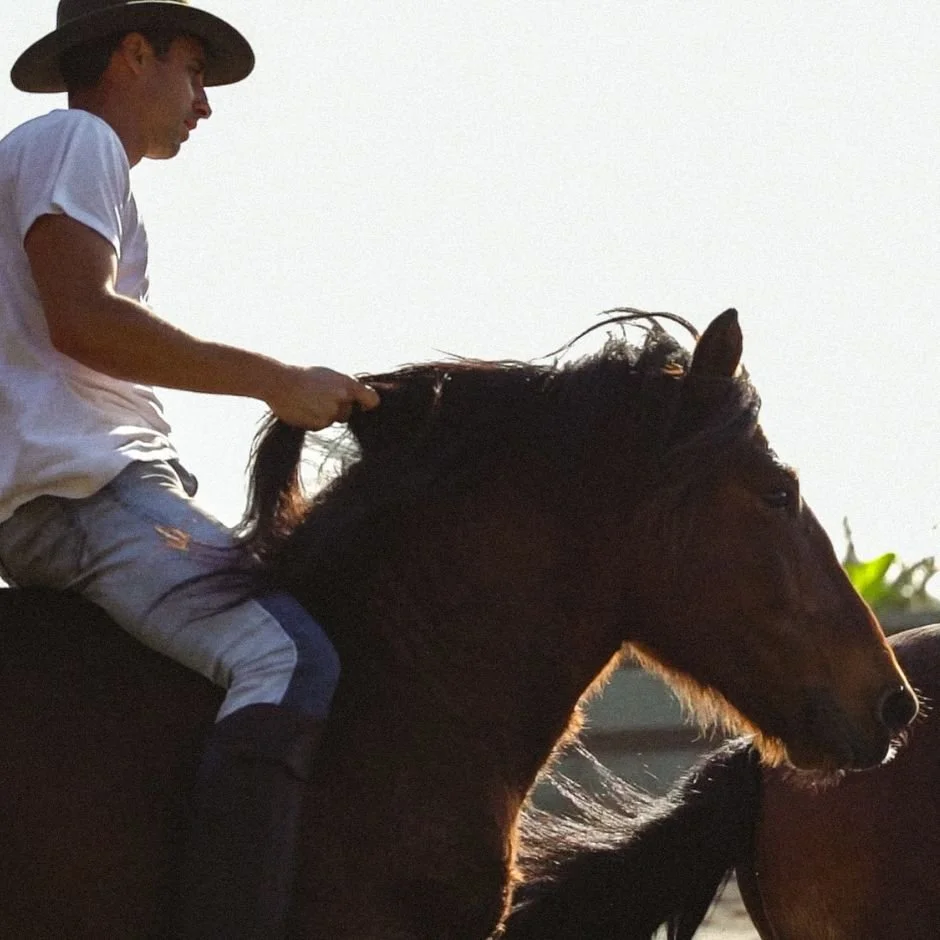
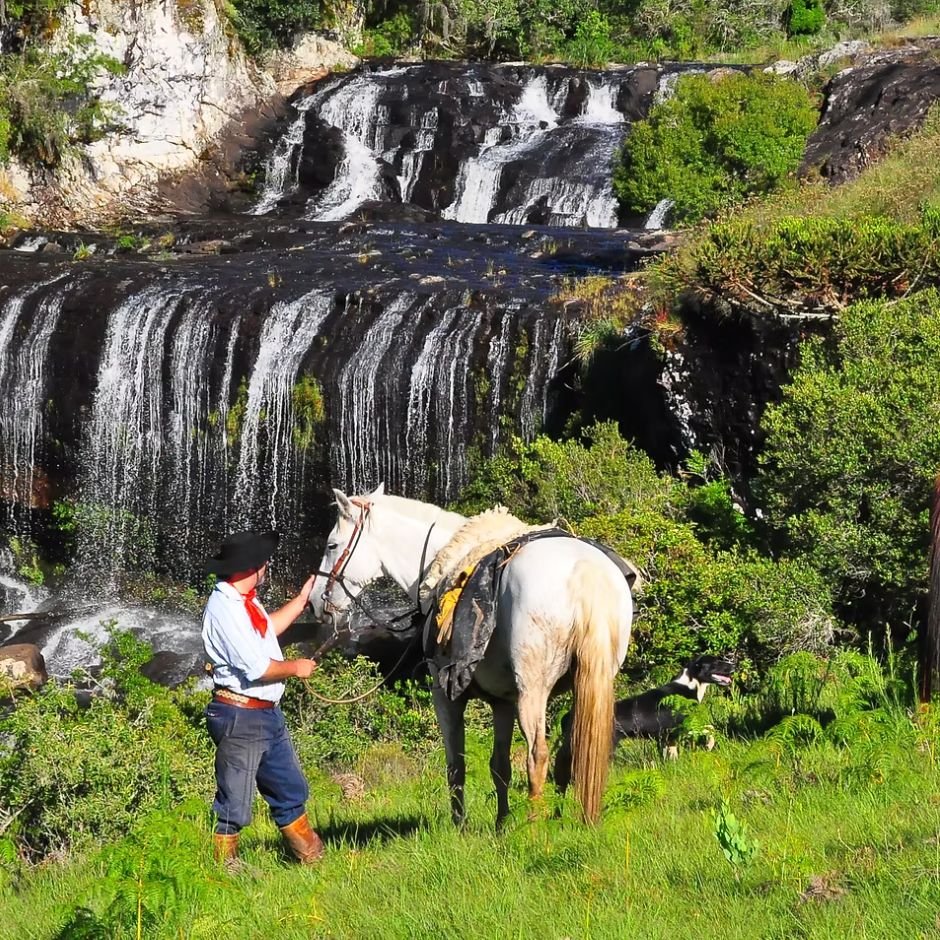
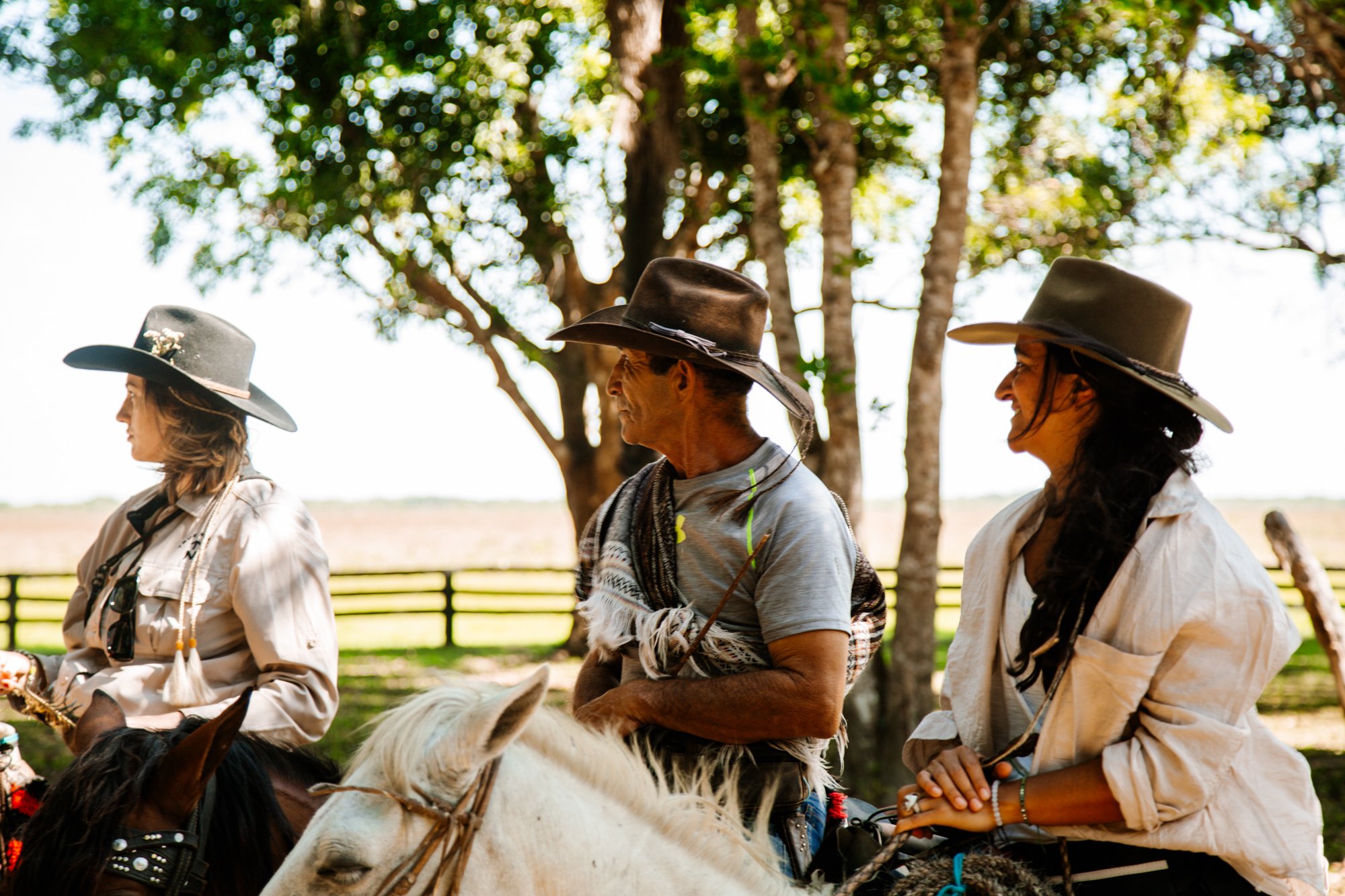
The horses are waiting when we head out with the llaneros and Simona. She’s the only woman who rides with them; she’s grown up alongside most of them here on the ranch.
As tradition has it, she rides barefoot, something none of us have ever tried as adults. But soon we give in, abandon our already soggy boots, and savour the cool air between our toes as we ride through water that reaches our horses’ bellies. It’s not until I’m chasing loose mares through a patch of thorny bramble that I start to question whether this might really be my new way of riding.
BP: You’ve been riding these plains since you could walk. What was life like growing up here, and how did it turn into the passion you carry for the ranch today?
SR: Our father instilled a love for the plains in us from birth. It remains something strong and sacred, an immense privilege and treasure that still exists. From the time we were very young, all of us spent time at Santana. We didn’t live there all year, but every season we could, we’d return to ride, to work, and to be part of life on the ranch.
Growing up in that world, riding out across the savanna, learning to follow the rhythm of the days, watching the llaneros with their incredible skill and quiet pride, shaped us deeply.
Life on the ranch changes with the seasons. From December to March we have the dry months, and the rest of the year is rain and flooded savannas. The trabajo de llano, the main cattle work, takes place twice a year, at the start and end of the rains, when the cattle are in the best condition for the long round-up to the corrals.
As children, we joined the trabajo de llano, the cattle round-ups that take place twice a year. The work follows its own rhythm and order, led by the caporal, or foreman, with everyone knowing their role. Each day brings its own challenges: the proud cattle, the fiery horses, and the many decisions that must be made in an instant. Those long days, sometimes six or ten hours on horseback, often without eating and never knowing exactly when we’d return, taught us patience, endurance, and the art of paying attention.
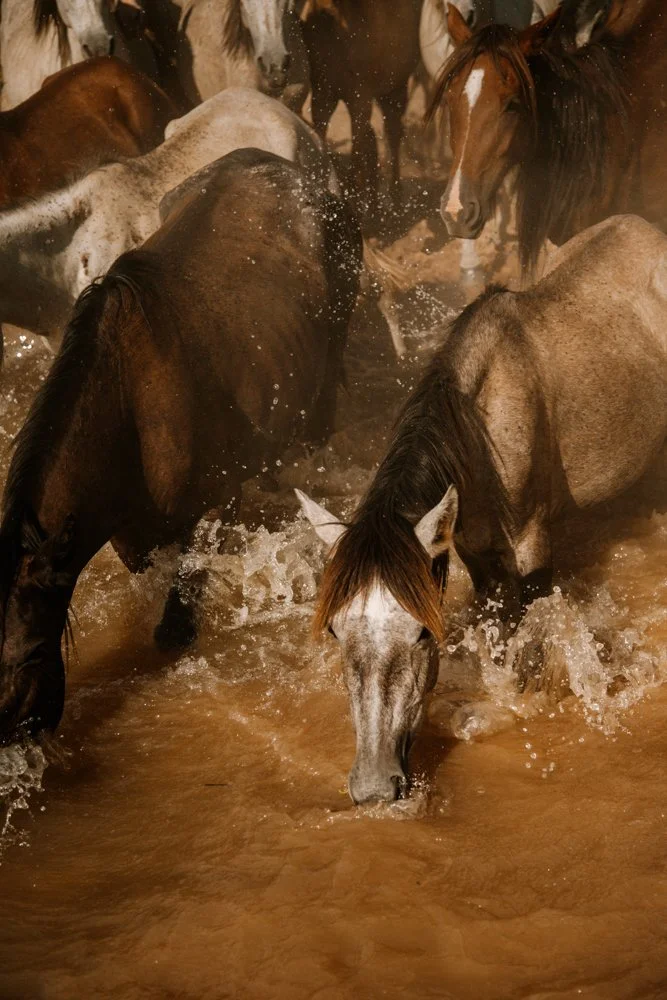
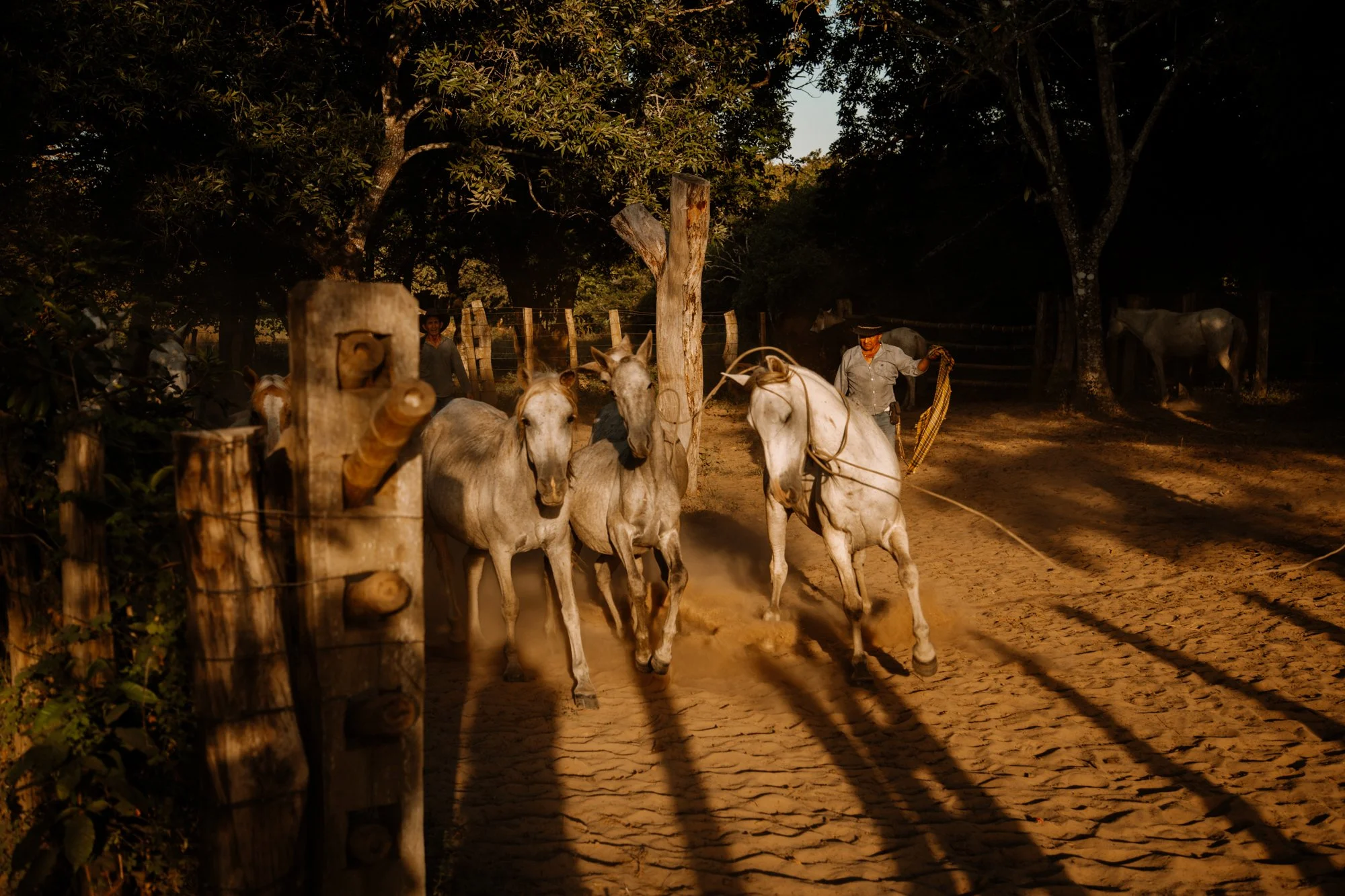
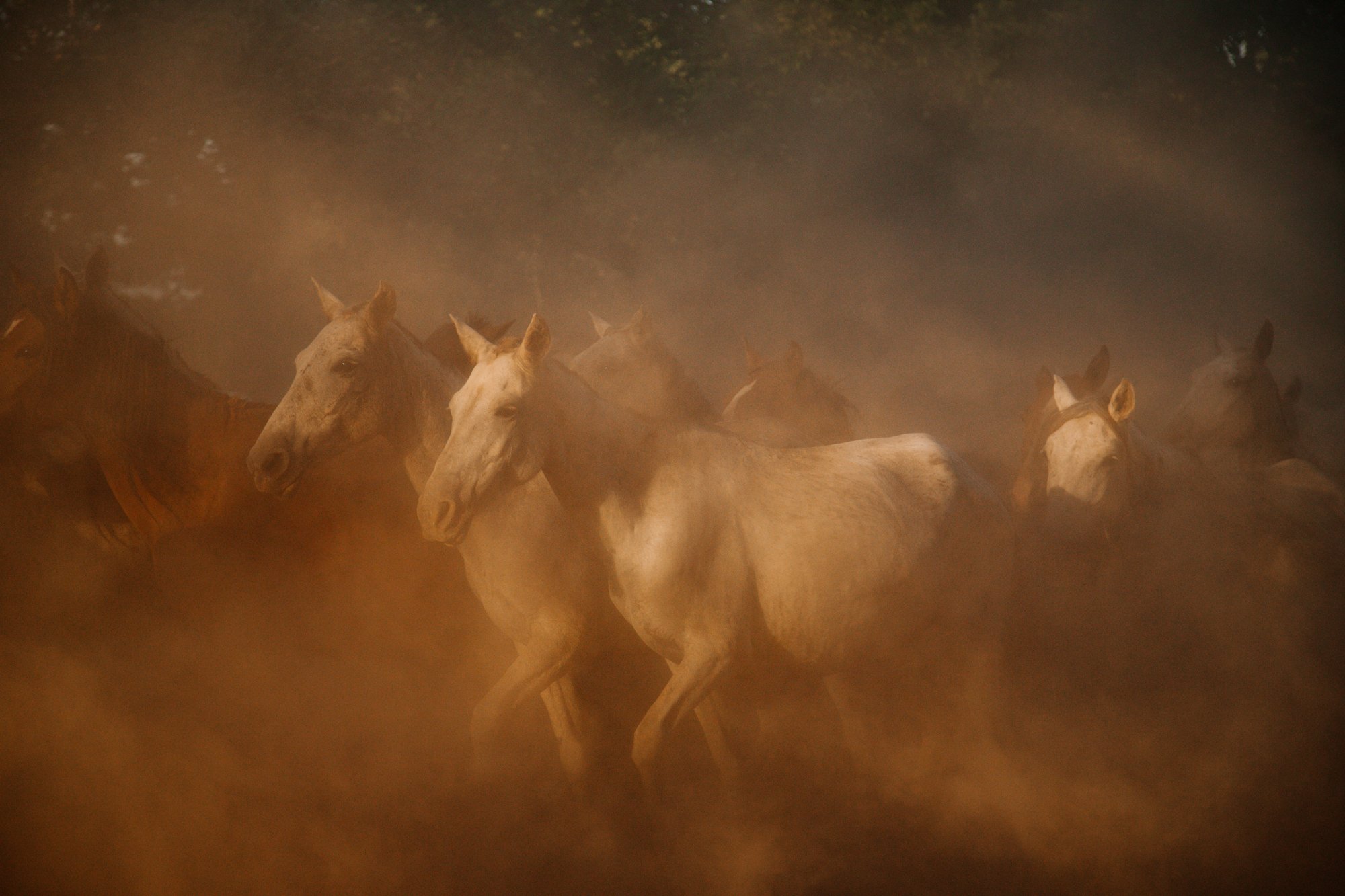
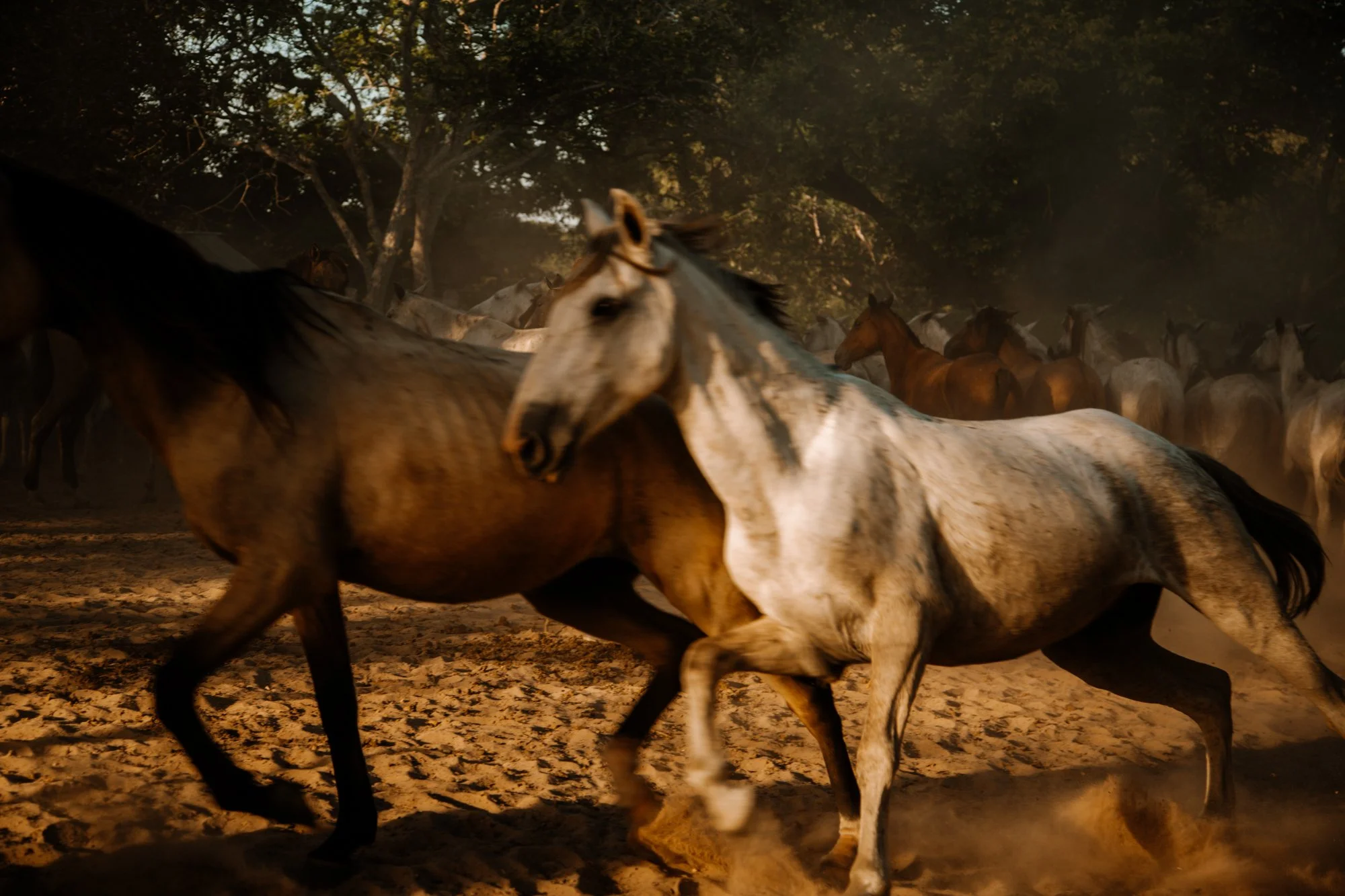
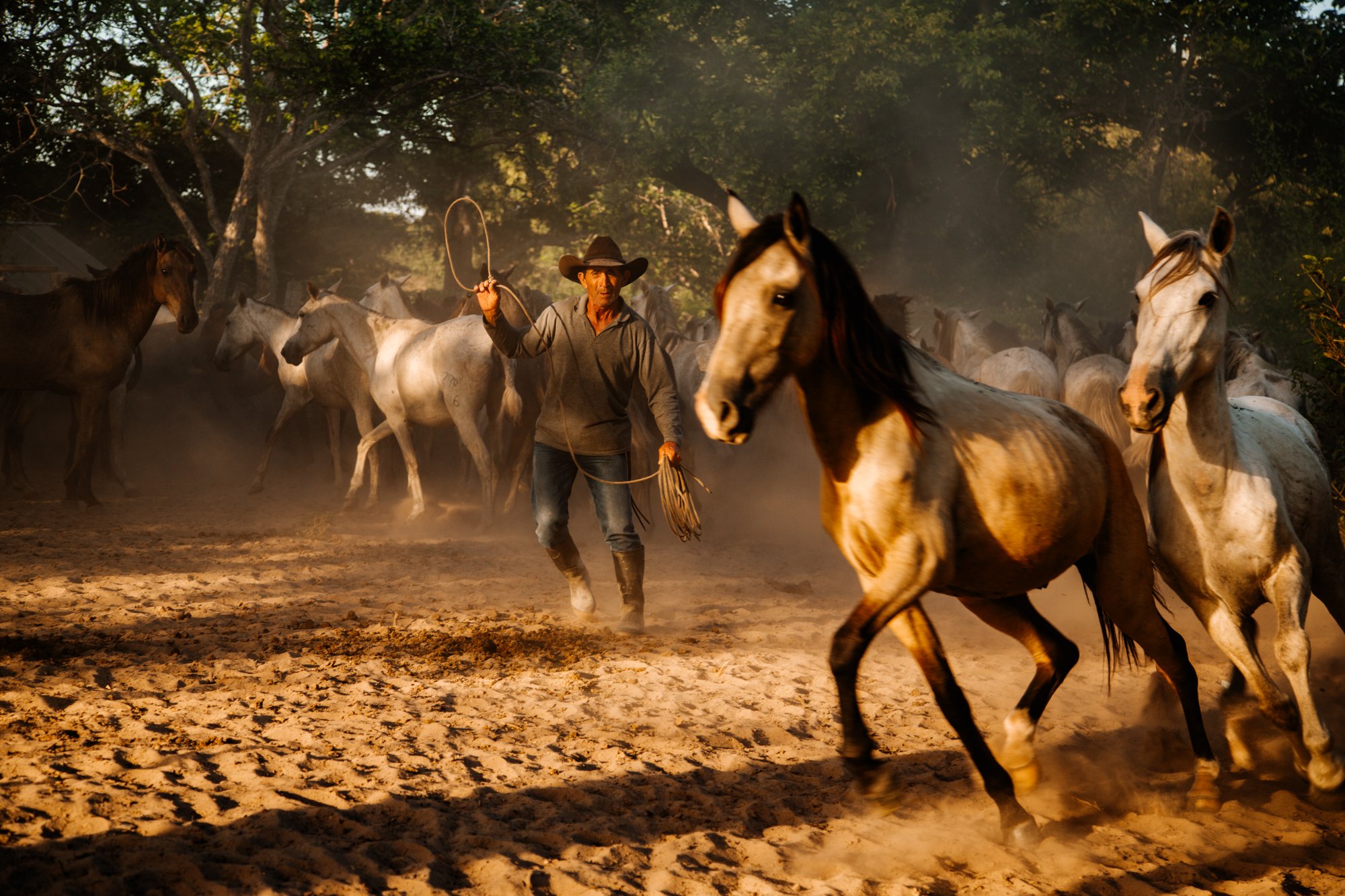
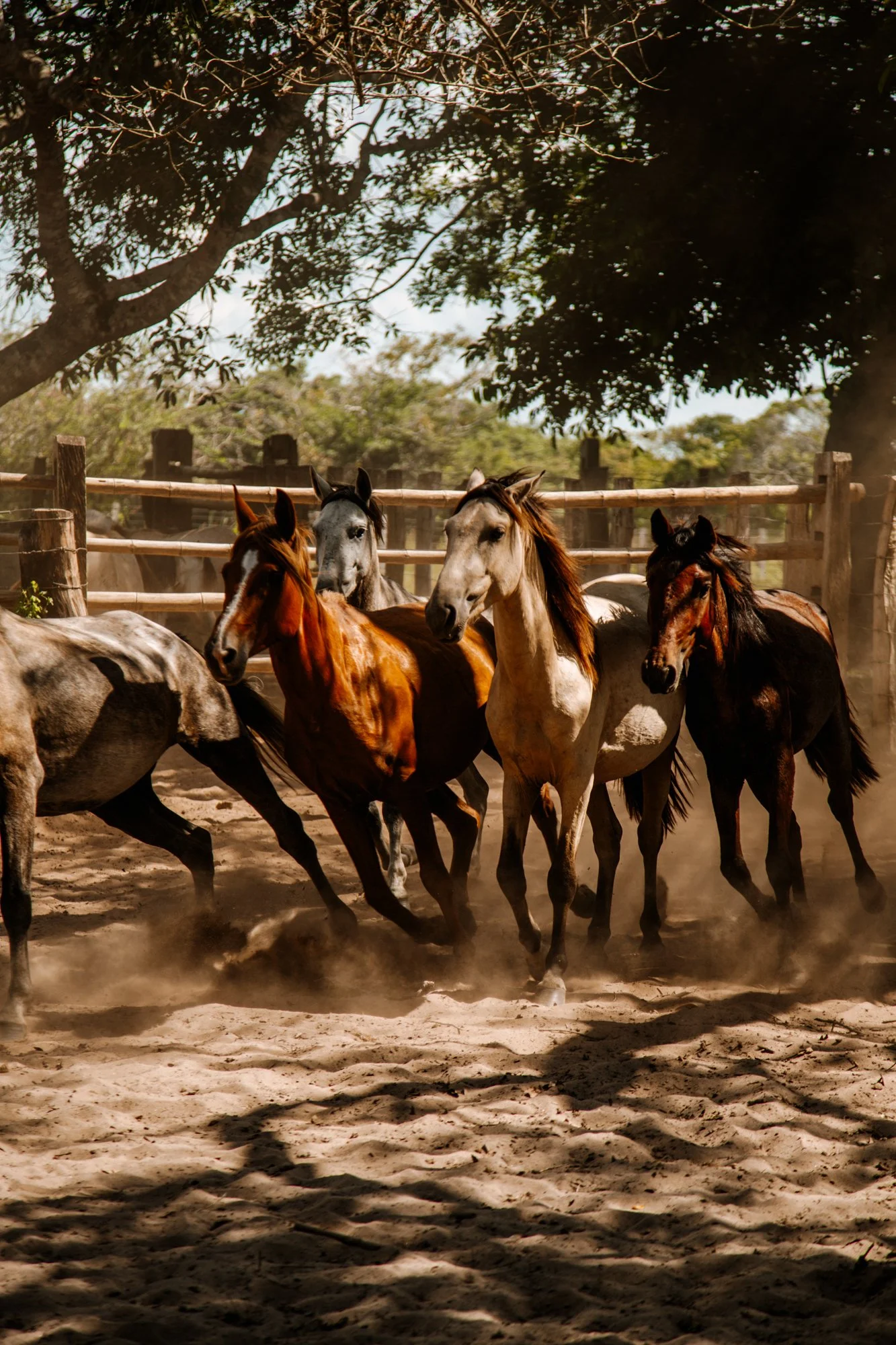
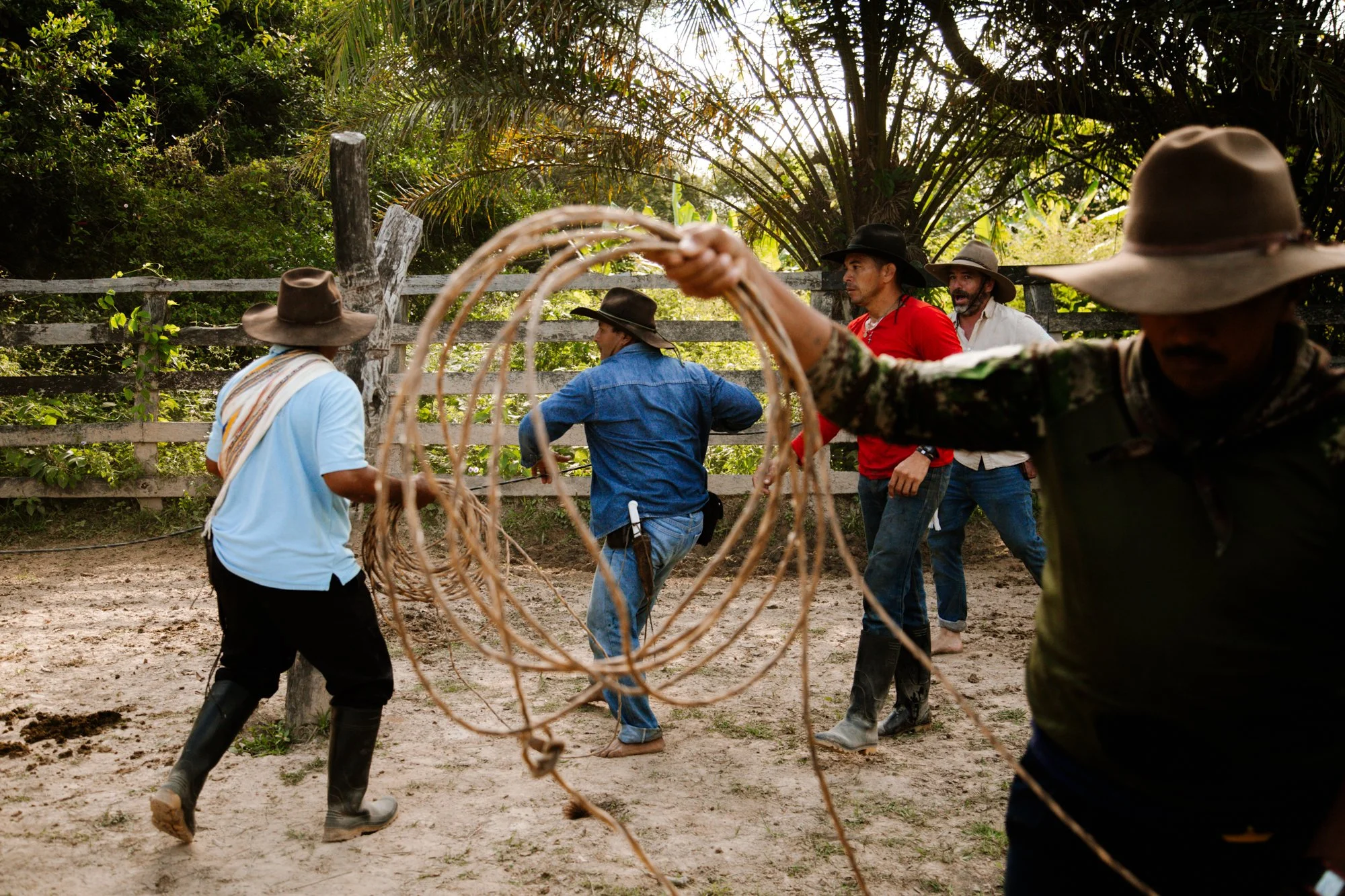
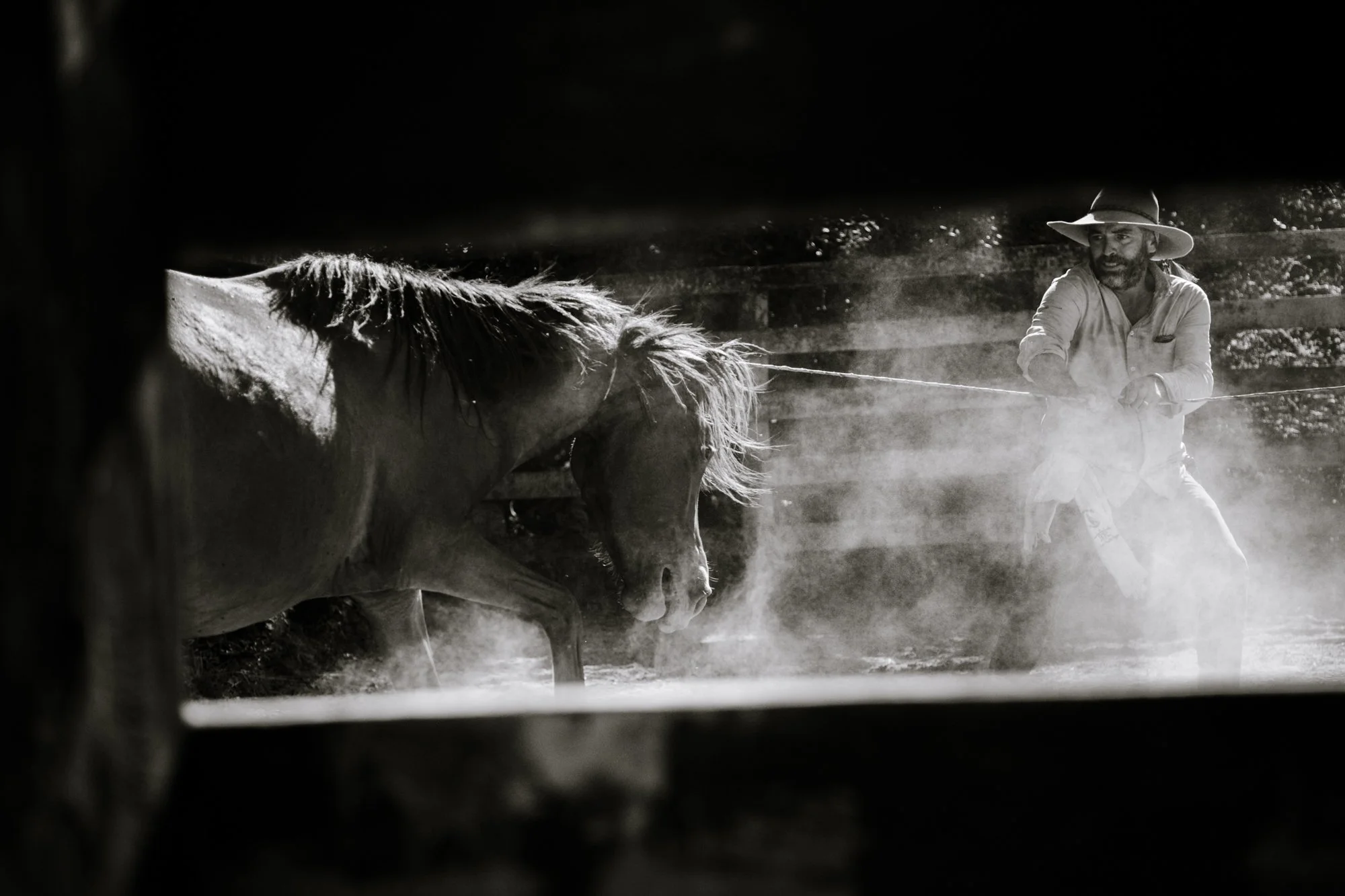
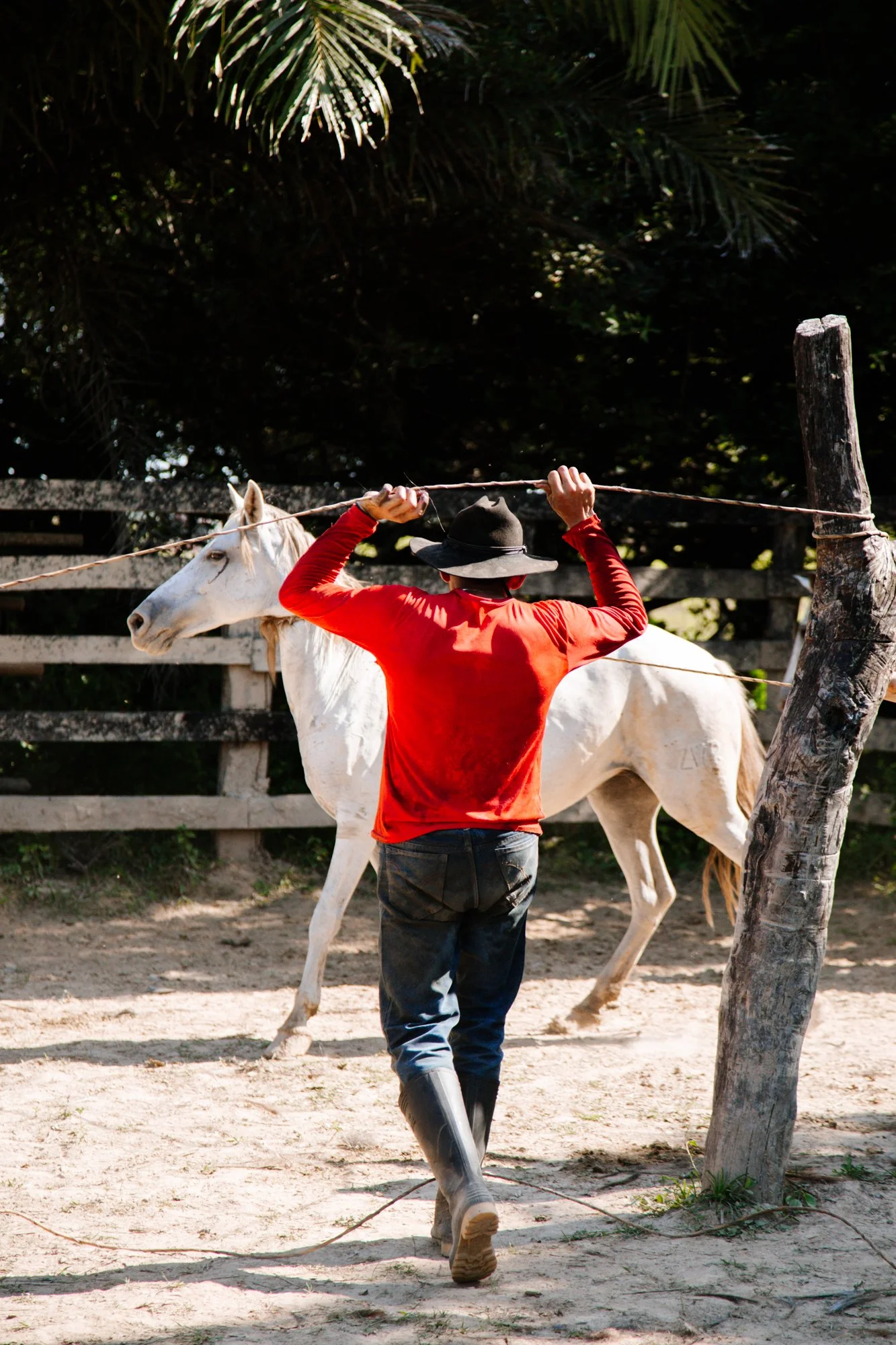
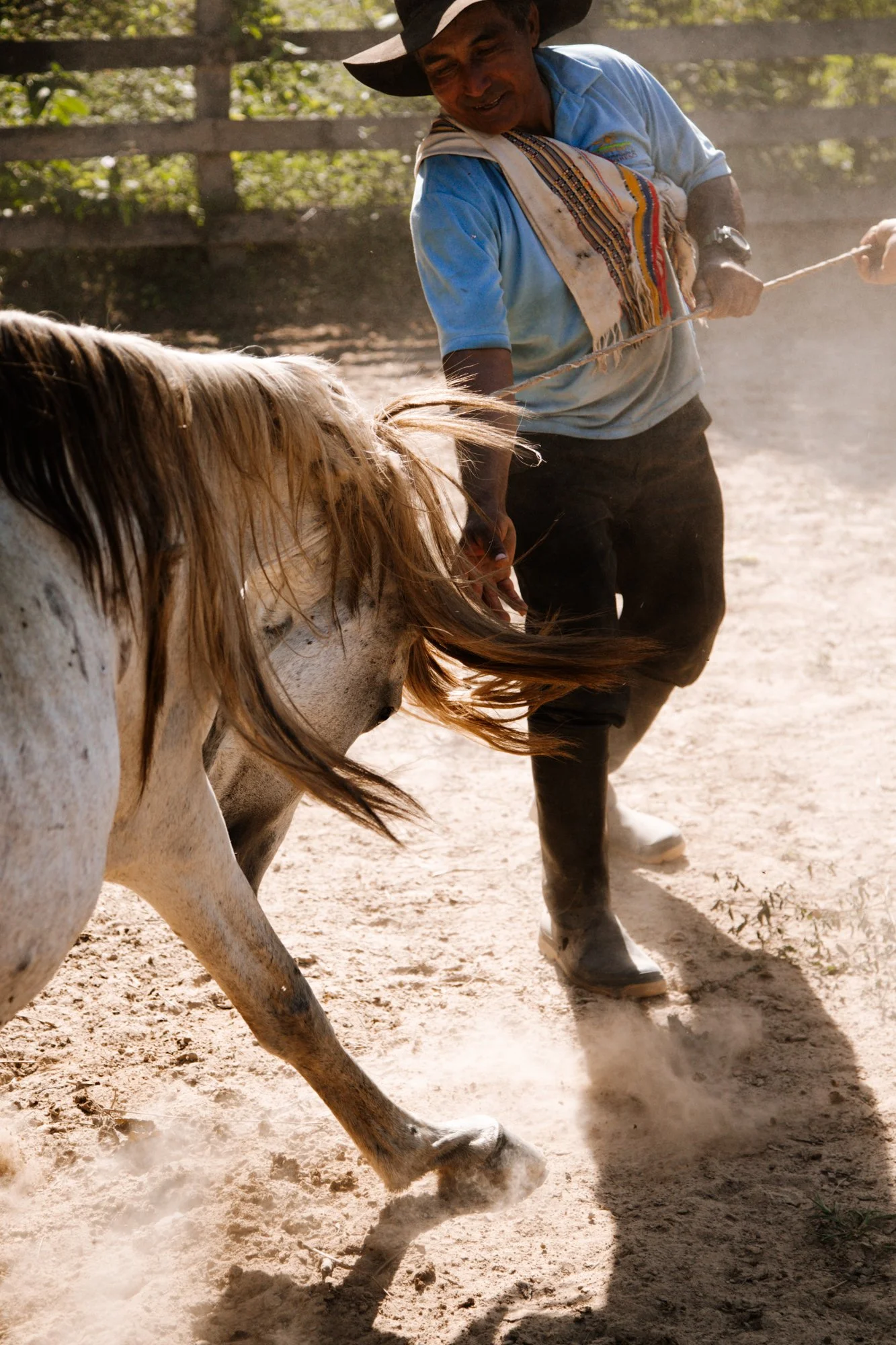
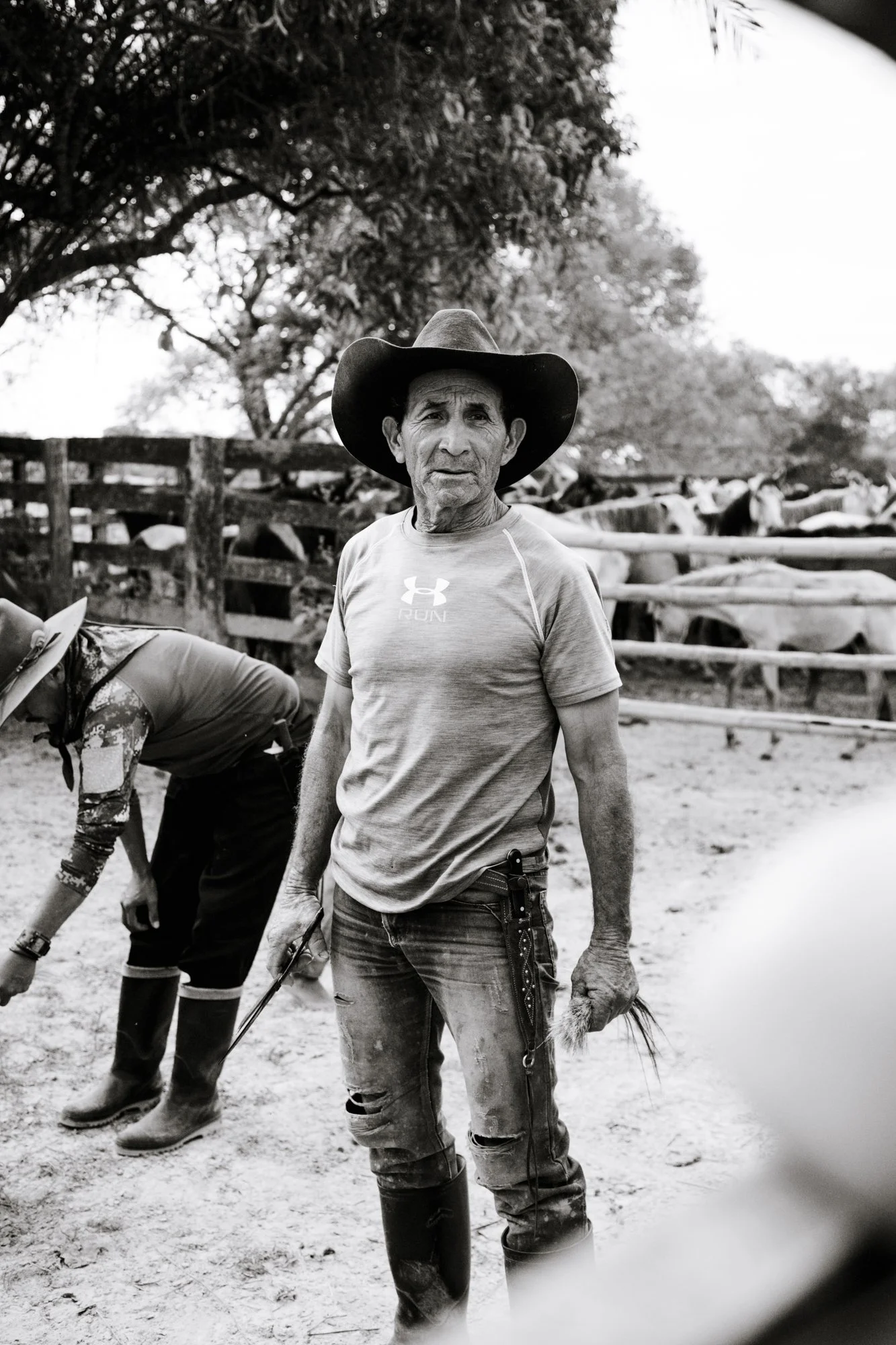
The week we spend on the ranch gives us a small taste of the trabajo de llano. After a full morning rounding up about forty mares and foals from deep in the brush, we form a rodeo and drive them back to the main farm. Then the real work begins. Each horse has to be caught with a traditional lasso, brought to the ground, its mane and tail trimmed, treated with oil, and branded. The work is grueling, and we watch in awe as the llaneros move through it with speed and precision.
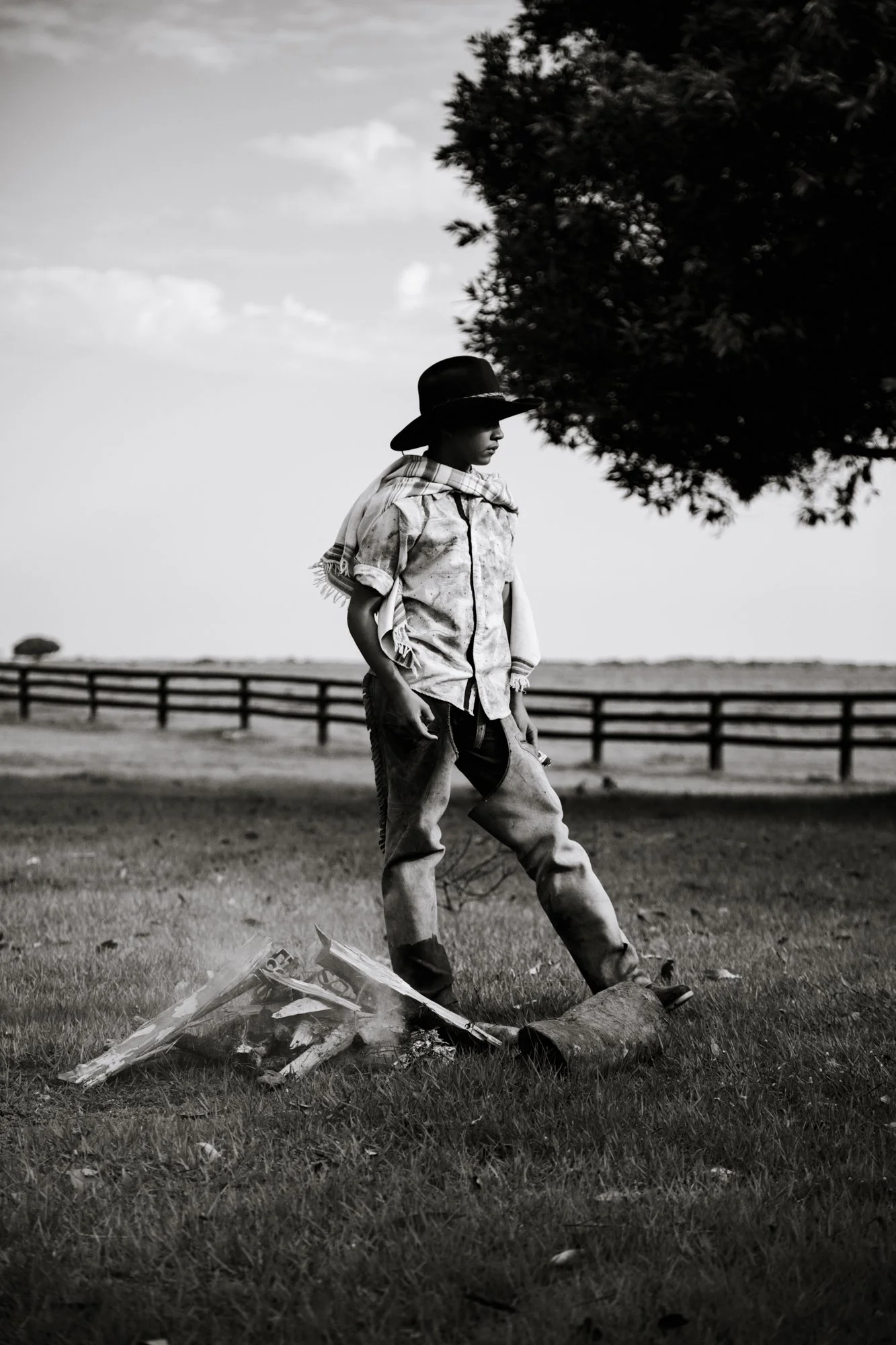
We each take a turn with the lasso, and a few even step into the ring to help with branding and trimming. Tradition runs through every part of it; even the cut manes and tails are collected to make rope. It’s also a moment of realisation: every single horse here has to be caught by lasso; none are tame. I watch a boy of thirteen take charge of the foals and silently put us all to shame with his skill.

BP: Every legend starts somewhere. What’s the real story of the llaneros and their horses?
SR: Horses first arrived in Casanare with the Jesuits, and from that encounter the llanera culture was born. After the Spanish arrived, a process of colonization began, and the Jesuit haciendas became centers of mestizaje, the blending of Indigenous peoples, Spaniards, and others who came to the region. Some Indigenous communities were displaced, often through violence, but many remain in the Orinoquía today. Out of that long and complex history, the llaneros emerged, a people born from this meeting of worlds.
The horse, brought by the Spaniards, became central to life here. Working in the haciendas, local people began to ride and manage cattle on horseback, and over time that bond shaped everything: their way of moving, their work, their identity, and their pride. Land use has also changed. Fifty years ago, this region was covered with hatos that formed one vast landscape; now only a few remain, surrounded by farms and plantations.
Some young people leave for the cities, but many still choose to stay and work the land. The culture endures, even as the space for it grows smaller. Few places like this are left — where ranching, the llanero spirit, and the flooded savanna still survive together.
We fall into the rhythm of the week, early rides and horse round ups, long afternoon siestas, and swims in the lagoon. Having been convinced by the others that the caiman “aren’t really crocodiles, Alex,” we spend hours floating with beers in hand, only dragging ourselves out of the water as the sun dips low. That’s when the cook comes running from the kitchen, yelling for Simona to “get the gringos out of the water!” Apparently, the lagoon also has a resident anaconda and a few hungry piranhas. Ummm...
Nights roll from delicious home cooked meals under the trees to bonfires at the water’s edge, led in song by Felipe and Chalas. We finally crawl into bed around 2 a.m., our cheeks sore from laughing and our voices hoarse from singing or screeching.
BP: Life out here seems full of ritual and rhythm. What traditions still shape the way you work each day?
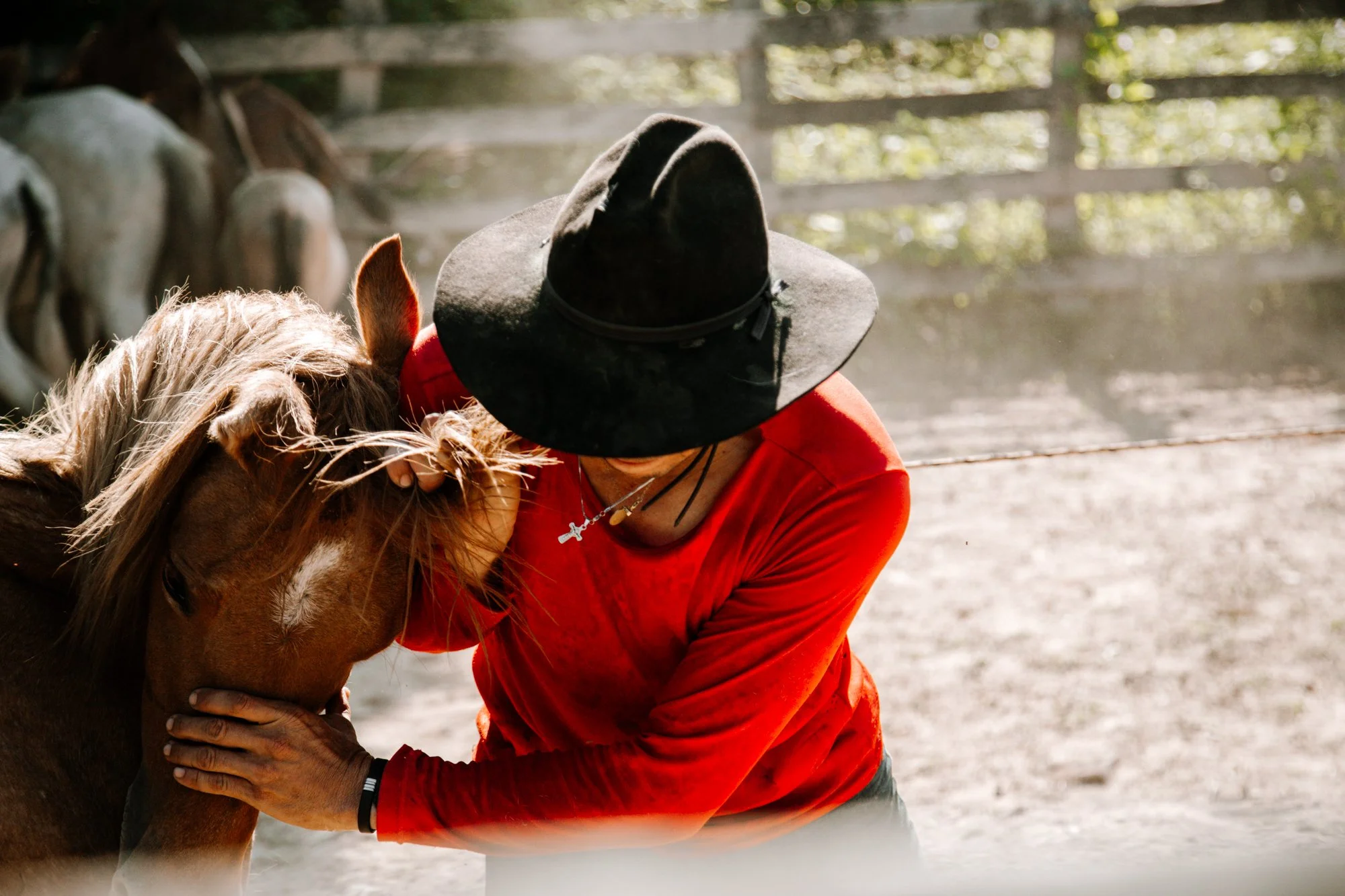
SR: There are many, but one of the most special is the annual taming of the horses. The herds live free across the savanna, and once a year the young colts ready for training are rounded up. Each llanero takes on a wild horse, studying it patiently, earning its trust, and slowly turning it into a caballo de silla, a horse that can be ridden and worked. It is both a skill and a ritual, passed from one generation to the next.
The oral traditions are just as alive. The cantos de vaquería, the herding and milking songs, carry the rhythm and feeling of life on the plains. They were even declared UNESCO Intangible Cultural Heritage in 2017, but here they have never needed recognition to stay alive. They are still sung every day, echoing across the grasslands.
The people who live on this land are not just workers; they are its guardians. This is the land that feeds them, shelters their families, and carries their lives.Our aim is to get more people to begin to see the difference between destructive practices and the sustainable, time honoured ones of the Orinoquía, where cattle still coexist with nature.
It is not about aesthetics or nostalgia. It is about identity and meaning. Some communities simply want to protect a way of life that defines them, gives them purpose, and makes sense to them.
A ranch like Santana has always been, and still is, a cradle of llanero life, a living space that keeps the culture alive. Things can change, new ideas can come, but as long as there are cattle on the savanna, horses in the fields, and llaneros riding among them, the spirit of this land will endure.
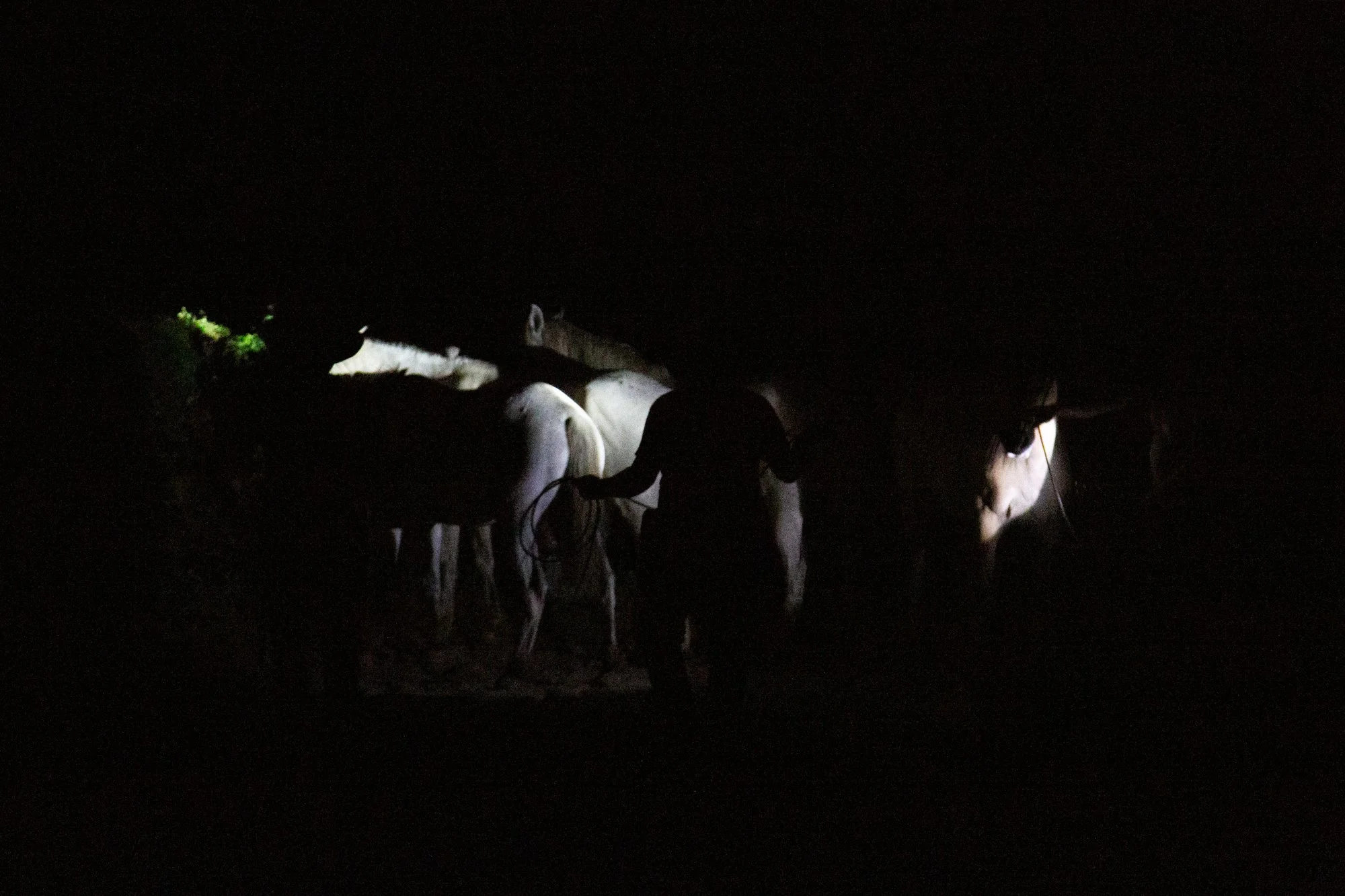
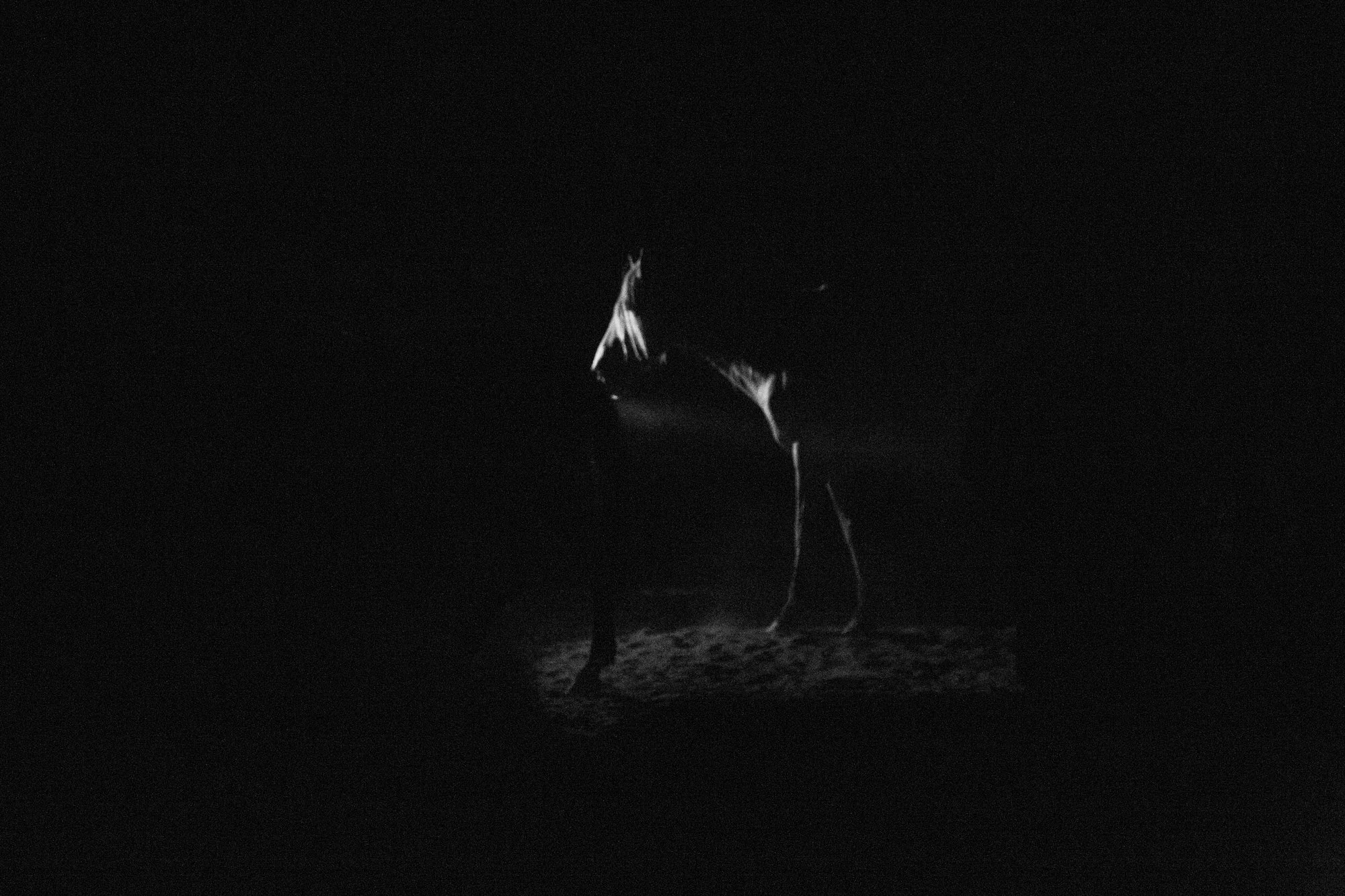
On our final night, we pack up and ride to one of the stations, where we are greeted by another group of llaneros coming in to round up the cattle. We spend the evening together, singing traditional songs and sleeping in hammocks. Around four in the morning, I wake to the sound of movement in the dark. The cowboys are already up, their headlamps flickering toward the corral where our horses sleep as a herd.
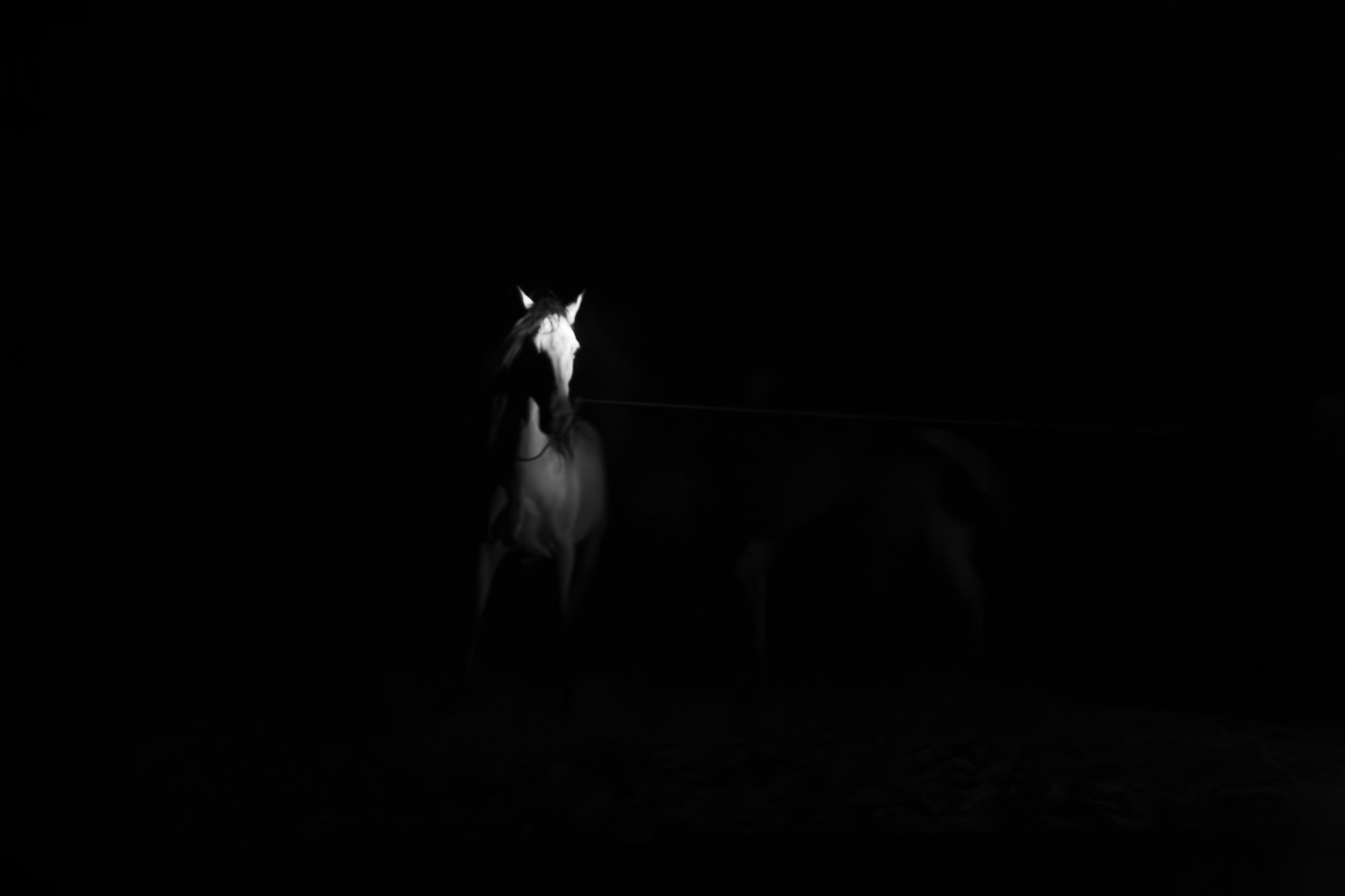
I grab my camera and walk toward them, only to realise they are lassoing each horse one by one in the dark. All it takes is the beam of a torch, the swish of a rope, the thud of hooves, and a horse is caught. I stand there, dumbfounded, thinking back to the whole week when our horses were simply there, ready to go, never having made the connection that each one still holds an element of the wild. They cannot just be led; they have to be chased, caught, and claimed every single time.
The traditions and the ways of the llaneros live in every movement, every song, every rope thrown.
Hato Santana remains a working farm, with Simona and her sister protecting not just the land, but a way of life.